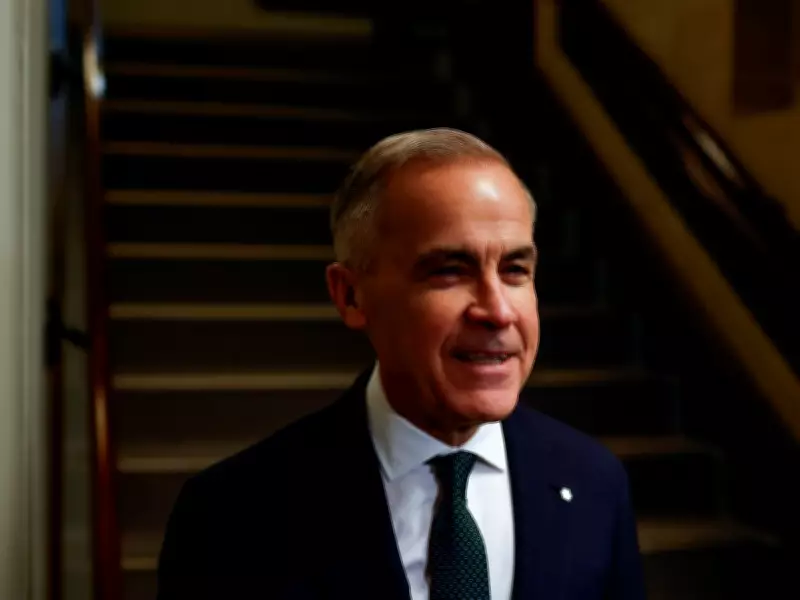
Mark Carney has repeatedly stated his ambition for Canada to become an energy superpower. Now leading a majority government, the question remains whether he can deliver. Industry observers are cautiously optimistic, but significant hurdles persist, and time is limited.
Policy Shifts and Political Strategy
Carney's government, now over a year into its mandate, has made numerous pronouncements, signed memoranda of understanding, and pursued free trade agreements. However, little legislation has passed, and no major energy projects have commenced. Instead, political focus has been on byelection victories and floor-crossings by opposition MPs joining the Liberal fold.
Former Prime Minister Justin Trudeau built the Liberal tent on progressive ground, absorbing NDP policies and making carbon taxes, electric vehicle mandates, and stringent regulations central. This approach deterred foreign investment in Canada's energy sector.

Following Donald Trump's return to office, the political landscape shifted. Nation-building, economic sovereignty, and energy superpower ambitions became popular. Carney's government removed taxes, dropped EV mandates, and promoted energy capacity, even temporarily eliminating the federal excise tax on gasoline and diesel. These policies appear more conservative than progressive.
Doubts About Commitment
The ease with which Carney abandoned progressive environmental stances suggests that opposition to oil and gas may never have been deeply rooted. This gives hope to energy development advocates but raises questions about the durability of today's pro-energy sentiment. Will the energy superpower ambitions survive another political shift?
Psychologists Jonathan Haidt and Stephen Pinker have studied how trends evolve on social media, noting mobbing and bandwagoning on controversial issues. This makes it difficult to gauge true public sentiment or the beliefs of elected officials. Today's enthusiasm for economic nation-building may be a reaction to Trump and could fade once his influence wanes.
While much of the anti-carbon sentiment under Trudeau was political theatre, a core of Liberal true-believers, like former environment minister Steven Guilbeault who quit cabinet over the Alberta MOU, remains opposed to carbon-based energy development. Carney's current popularity may help manage these dissidents, but for how long remains uncertain.