Mark Carney's Davos Address Defies Modern Communication Trends
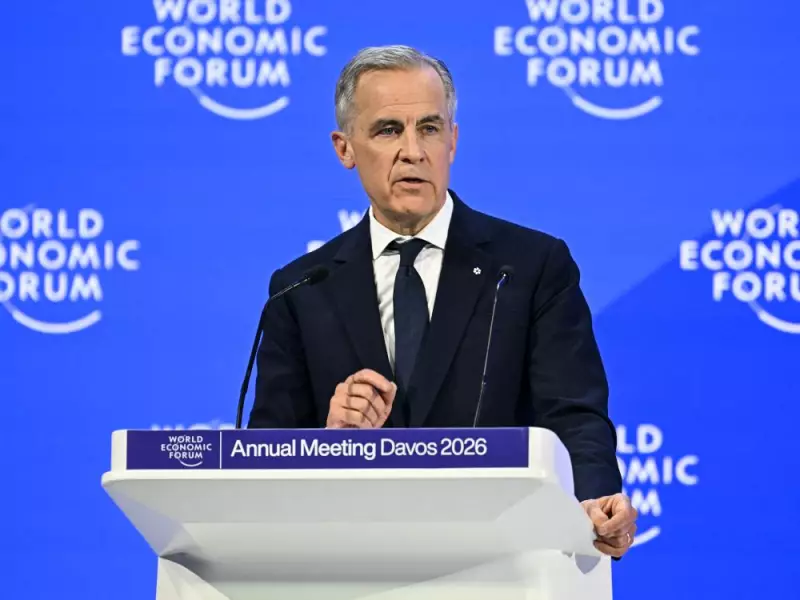
In an era where communication experts claim attention spans are shrinking, complex arguments are outdated, and formal speeches should be replaced by AI-generated content or viral memes, Prime Minister Mark Carney delivered something remarkable at the World Economic Forum in Davos, Switzerland.
Long after global leaders departed the Swiss Alps, Carney's January 20th address continues to generate headlines and analysis worldwide, challenging conventional wisdom about what makes a speech truly matter in today's fast-paced media environment.
A Master Class in Meaningful Oratory
Receiving a standing ovation at Davos and maintaining global attention beyond typical news cycles, Carney demonstrated how substantive political communication can still capture the world's imagination. The speech has been described by experts, including former White House speechwriter David Kusnet, as a master class in impactful oratory that transcends algorithmic content trends.

Defining a New Era of International Disorder
Lesson one from Carney's approach: define the historical moment. The Prime Minister declared unequivocally that the post-Cold War, American-led, rules-based international order has ended. "We are in the midst of a rupture, not a transition," Carney warned attendees, speaking from his expertise as a former central banker and international policymaker.
He explained that "the multilateral institutions on which the middle powers have relied — the WTO, the UN, the COP — the architecture, the very architecture of collective problem solving are under threat." Carney painted a concerning picture of "a world of fortresses … poorer, more fragile and less sustainable" if current trends continue.
Historical Parallels in Era-Defining Speeches
Carney's approach recalls other monumental speeches that defined their historical moments. In 1946, Winston Churchill's "Iron Curtain" address at Westminster College framed the emerging Cold War between Western and Eastern blocs. In 1960, British Prime Minister Harold Macmillan's "Wind of Change" speech signaled Africa's decolonization and the coming end of apartheid.
Similarly, President John F. Kennedy's 1963 American University address called for reduced tensions between superpowers and foreshadowed détente. While Canada lacks superpower status and Carney may not possess Kennedy's charismatic appeal, the Prime Minister's Davos speech demonstrated how middle powers can still shape global conversations through thoughtful, substantive communication.
Punching Above Canada's Weight
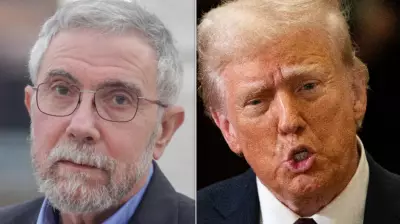
Carney established standards other orators might follow by meeting the moment with precision. His speech came as former U.S. President Donald Trump threatened new tariffs against European economies and had previously targeted Canada with similar economic pressure and rhetoric about annexation.
By addressing these geopolitical tensions while articulating a broader vision of international disorder, Carney demonstrated how political leaders can use formal speeches to address complex global challenges without resorting to simplification or sensationalism.
The enduring impact of Carney's Davos address suggests that despite digital age predictions about the death of formal oratory, well-crafted speeches addressing substantive issues can still capture global attention and potentially influence historical narratives.