Mark Carney's Davos Address Ignites International Applause and Domestic Political Dialogue
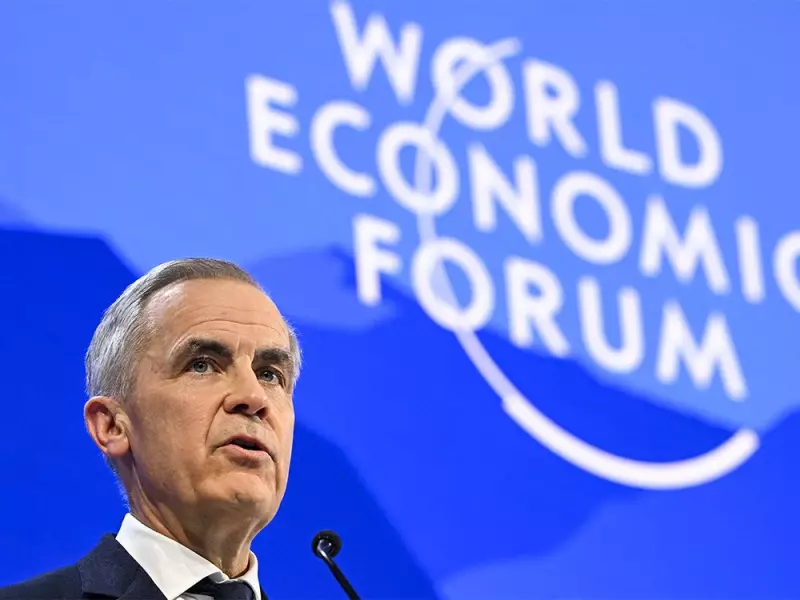
Prime Minister Mark Carney's recent speech at the World Economic Forum in Davos has generated significant international acclaim while simultaneously sparking meaningful political conversation within Canada. The address, delivered on January 20, 2026, has been characterized as a refreshing moment of truth-telling about the current American political landscape under President Donald Trump.
Global Reception and Domestic Response
The international community responded to Carney's remarks with what observers have described as "fevered laudations," while domestically, the speech provoked a notably substantive reaction from Conservative Leader Pierre Poilievre. In a detailed reply, Poilievre offered substantial disagreements while maintaining a respectful tone that showcased his policy depth and intellectual capacity.
For those who have followed Poilievre's public career over decades, this response represented a welcome departure from the snark and soundbites that have characterized recent political discourse. The exchange between Canada's prime minister and opposition leader created what many are calling a good week for Canadian public dialogue, with Carney deserving credit for initiating this elevated conversation.

The Context of Trump Criticism
Carney's speech arrived at a particularly tense moment in global politics, coming approximately one year after Donald Trump's return to the American presidency. The address functioned like "popping the cork on a Champagne bottle," releasing built-up international pressure and frustration.
This is not to suggest that criticism of Trump has been stifled. The American president remains moderately unpopular domestically, never having secured a majority vote and typically maintaining underwater approval ratings. Internationally, his unpopularity reaches even greater proportions, with most of his policies failing to gain traction beyond immigration measures.
The Challenge of Trump's Political Strategy
The Trump administration has developed what critics describe as a cycle of outrage that keeps the president constantly in the spotlight. From international disputes with countries like Canada, Panama, and Greenland to controversial policy implementations, the administration maintains a steady stream of attention-grabbing actions.
What frustrates critics most profoundly is the consistent loyalty from Trump's inner circle and political allies. Despite what many characterize as outright falsehoods, wanton cruelty, and breathtaking corruption, sufficient submission from Republican lawmakers, conservative media, and MAGA supporters has allowed the administration to survive repeated controversies.
The Significance of Carney's Intervention
Carney's willingness to address these issues directly at an international forum like Davos represents a significant moment in global diplomatic discourse. His speech provided what many international observers had been waiting for: a clear, direct statement about the challenges presented by the current American administration.
The prime minister's remarks have positioned Canada as willing to engage in difficult conversations about international leadership and democratic values, even when such conversations involve criticism of its closest neighbor and trading partner.
Looking Forward
As the international community continues to grapple with the Trump presidency's implications for global stability and democratic norms, Carney's Davos speech may represent a turning point in how world leaders address these challenges. The substantive domestic response from opposition leader Pierre Poilievre suggests that Canada's political discourse may be evolving toward more nuanced policy discussions, even on contentious international matters.
The coming months will reveal whether this moment of elevated political dialogue in Canada represents a temporary departure from partisan sniping or the beginning of a more substantive era in Canadian public discourse about international relations and leadership.