Political Rhetoric Elevated as Carney and Poilievre Engage in Philosophical Battle
The early months of 2026 have witnessed a remarkable elevation in the quality of political discourse within Canada's federal landscape. What began as typical partisan exchanges has transformed into a sophisticated battle of philosophical references and intellectual engagement between the country's two leading political figures.
The Davos Opening Gambit
Prime Minister Mark Carney set the tone for this new era of political rhetoric during his appearance at the World Economic Forum in Davos. Demonstrating his academic background and international experience, Carney quoted both the ancient Greek historian Thucydides and modern Czech philosopher-president Vaclav Havel. This marked a significant departure from the more combative political communication that had characterized previous administrations.
Poilievre's Philosophical Counter
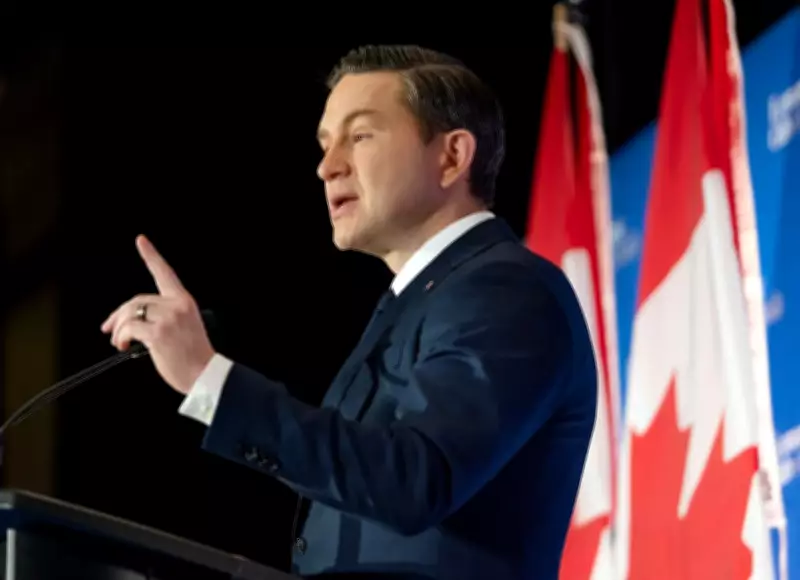
Conservative Party Leader Pierre Poilievre responded to Carney's elevated rhetoric with an impressive display of his own intellectual arsenal. During appearances in Toronto, London, and Berlin, Poilievre referenced Roman emperor-philosopher Marcus Aurelius, economist Adam Smith, former British Prime Minister Margaret Thatcher, and German statesman Konrad Adenauer. This strategic shift represented a conscious move away from the social media-focused communication that had defined his earlier political approach.

A Strategic Pivot in Communication
The transformation in Poilievre's communication strategy became particularly evident during his extended interview with veteran journalist Peter Mansbridge. When questioned about his previous focus on social media outreach and criticism of traditional media institutions, Poilievre explained his new approach: "I had been focused on social media outreach for four years, but I have now decided to talk to everybody."
This shift represents not only sound political strategy in a democratic system but has also enhanced Poilievre's public image. As he moves away from the debasing dynamics of social media platforms, observers note he appears increasingly prime ministerial in both style and substance.
The Trudeau Legacy and Carney's Impact
Political analysts suggest that Poilievre's previous communication style developed as a response to former Prime Minister Justin Trudeau's approach. During Trudeau's tenure, critics noted a tendency toward self-righteous superiority and dismissiveness toward opposing viewpoints. In that context, Poilievre's snark and confrontational tone found resonance among certain segments of the electorate.
However, Carney's arrival on the political scene changed this dynamic. The current prime minister's tendency to "smile, speak in paragraphs, and say serious things" created a new standard for political communication. Even among those who supported Poilievre's policies, the contrast in presentation became increasingly apparent.
International Engagement and Perception
Another significant aspect of this rhetorical evolution involves international engagement. Carney immediately embarked on foreign trips to Paris and London after being sworn in as prime minister, reinforcing his statesman image. Meanwhile, Poilievre had previously limited his international exposure, focusing instead on domestic social media outreach through platforms like YouTube.
Political observers note that Canadians generally appreciate seeing their leaders respected on the international stage. By denying himself opportunities for serious overseas speeches—traditionally expected of opposition leaders—Poilievre had previously limited his ability to be perceived as a potential statesman.
Substance Beyond the Soundbites
Despite the focus on communication style, it's important to recognize that Poilievre had developed substantive policy positions well before the 2025 election. His policy proposals received considerable attention, with the Carney government eventually adopting several of them. The challenge had been presentation: these substantive ideas were often delivered through "soundbites with plenty of snark and snarl," which alienated some potential supporters.

The Broader Implications
This elevation in political rhetoric represents more than mere stylistic competition. It reflects a maturation of Canada's political discourse and suggests that both major party leaders recognize the value of substantive, intellectually grounded communication. While occasional rhetorical stumbles still occur—as evidenced by some ambiguous statements regarding international conflicts—the overall trend points toward more sophisticated political engagement.
As the philosophical battle between Carney and Poilievre continues to unfold, Canadian voters are presented with a political landscape where ideas are increasingly articulated through historical and philosophical frameworks rather than simplistic partisan attacks. This development suggests a potentially healthier democratic discourse that values both substance and sophisticated presentation.