Alleged Phone Conversation Between Leaders Sparks Transparency Debate
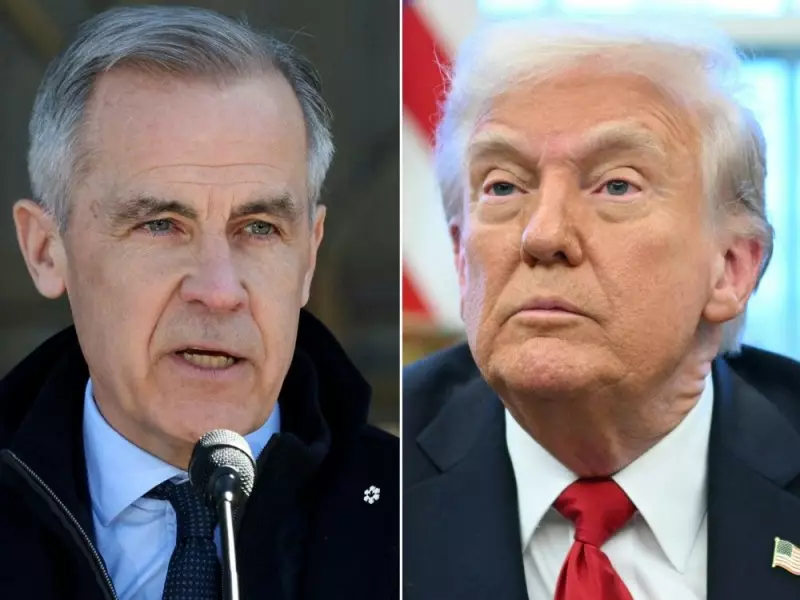
Canadian citizens were left in the dark this week regarding a potentially significant diplomatic exchange. Reports indicate that Prime Minister Mark Carney engaged in a telephone conversation with former United States President Donald J. Trump, yet no official confirmation or details have been provided by the Prime Minister's Office.
Questions Mount Over Withheld Information
The existence of this discussion only came to light through indirect channels. U.S. Treasury Secretary Scott Bessent revealed during a television interview that he witnessed President Trump speaking with Prime Minister Carney. According to Bessent's account, Carney was "very aggressively walking back some of the unfortunate remarks he made at Davos." This reference points to Carney's recent speech at the World Economic Forum where he discussed global governance structures.
This development raises fundamental questions about governmental transparency. Why has the PMO chosen not to release a standard readout of this conversation? Every prime minister since Jean Chrétien has traditionally published summaries of discussions with world leaders, making Carney's silence particularly noteworthy.

The Context of Canada-U.S. Relations
The alleged phone call occurs against a backdrop of complex bilateral relations. President Trump has previously criticized Carney's engagement with China, warning against Canada becoming a "Drop Off Port" for Chinese goods entering the American market. Trump's social media posts have characterized China as potentially "devouring" Canadian businesses and social structures.
Meanwhile, Carney's recent public appearances have focused on domestic economic concerns. He was photographed meeting with Ontario Premier Doug Ford at a Toronto pizza restaurant, discussing grocery rebates and economic resilience. This contrast between public domestic messaging and private international diplomacy highlights the tension between different aspects of governmental communication.
Broader Implications for Democratic Accountability
The secrecy surrounding this conversation extends beyond mere diplomatic protocol. When national leaders discuss matters that could affect trade policies, security arrangements, or international alliances, citizens have a legitimate interest in understanding these exchanges. The content of such conversations can directly impact employment, consumer prices, and national security.
Several critical questions remain unanswered:
- Did the conversation actually occur as described?
- What specific aspects of Carney's Davos speech were addressed?
- How might this affect ongoing trade negotiations?
- What implications does this have for Canada's relationship with China?
- Why has the standard practice of releasing readouts been abandoned?
Notably, President Trump himself has remained uncharacteristically silent about the conversation on his Truth Social platform, where he has previously criticized Carney's policies. This unusual quiet from both sides only deepens the mystery surrounding what was discussed.
The Need for Transparency in Leadership Communications
Democratic governance relies on transparency, particularly regarding international engagements that shape national policy. When citizens cannot access basic information about their leaders' discussions with foreign counterparts, it undermines the accountability mechanisms essential to representative democracy.
The Prime Minister's Office faces mounting pressure to clarify the situation. As veteran political observers note, the tradition of publishing readouts exists for good reason: to ensure that citizens remain informed about decisions that affect their lives, their economy, and their country's place in the world. Whether this conversation represents a significant shift in policy or merely routine diplomacy, Canadians deserve to know what was discussed between their prime minister and the former American president.