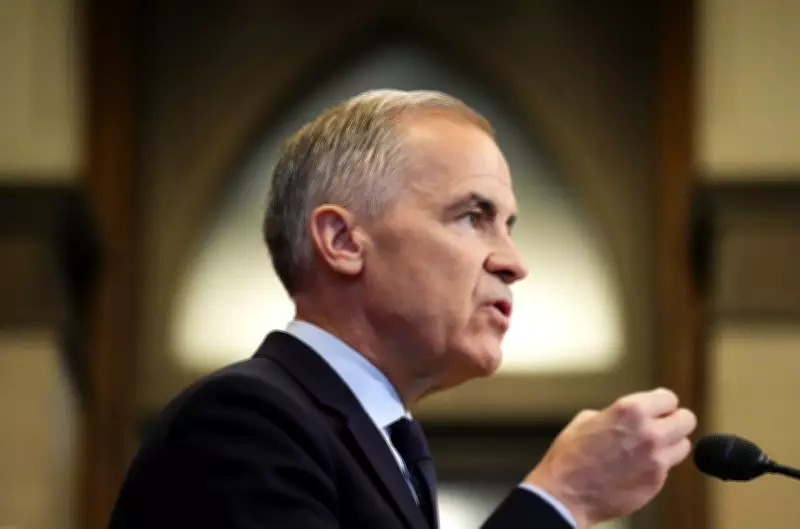
Prime Minister Mark Carney announced on Thursday that his government is open to selling infrastructure assets, including airports, to raise funds for major projects. Speaking from Parliament Hill, Carney emphasized the need for innovative financing to address Canada's infrastructure deficit.
Details of the Proposal
The Prime Minister stated that selling assets like airports could unlock billions of dollars for investment in transportation, green energy, and housing. He noted that such sales would be structured to ensure public benefit and long-term value.
"We are exploring all options to finance the projects Canadians need," Carney said. "This includes the potential sale of certain infrastructure assets, provided it serves the public interest."

Economic Context
The announcement comes amid growing pressure on the federal budget. Canada faces an estimated $100 billion infrastructure gap, with aging roads, bridges, and transit systems requiring urgent upgrades. Carney's approach mirrors strategies used in other countries, such as Australia and the United Kingdom, where airport privatization has generated significant revenue.
Reactions
The proposal has drawn mixed reactions. Supporters argue it could accelerate infrastructure development without raising taxes. Critics, however, warn that privatization could lead to higher user fees and reduced public control over essential services.
"We must be cautious about selling off public assets," said NDP infrastructure critic Rachel Blaney. "Once sold, it's hard to ensure affordability and accessibility."
Next Steps
The government plans to launch a feasibility study to identify which assets could be sold and under what conditions. A public consultation process will follow, with a final decision expected within 18 months.
Carney assured Canadians that any sale would include safeguards to protect consumers and workers. "This is about smart governance, not a fire sale," he concluded.