Carney's Global Focus Sparks Domestic Governance Concerns
For a career banker, Prime Minister Mark Carney has demonstrated a remarkable aptitude for political maneuvering, but his growing affinity for the world stage is drawing scrutiny from observers who argue that domestic responsibilities must take precedence.
Building a Majority Through Opposition Defections
The prime minister has now successfully recruited a third member of Parliament from opposition benches, bringing him within two by-election victories in secure Liberal constituencies of achieving a majority government. This latest acquisition comes from the New Democratic Party rather than the Conservatives, with Nunavut MP Lori Idlout crossing the floor.
For those tracking these political developments, Carney has now secured a Red Tory from Nova Scotia (Chris d'Entremont), an Alberta Conservative (Matt Jeneroux), and now a supporter of far-left candidate Avi Lewis from Canada's northern territories. This represents either an exceptionally broad political coalition or demonstrates calculated, cynical self-interest. Idlout justified her decision days after endorsing Lewis by citing respect for Carney as "the first prime minister from the north," though skeptics note she previously absented herself from a budget vote that helped Carney's inaugural fiscal plan pass.

International Travel Versus Domestic Responsibilities
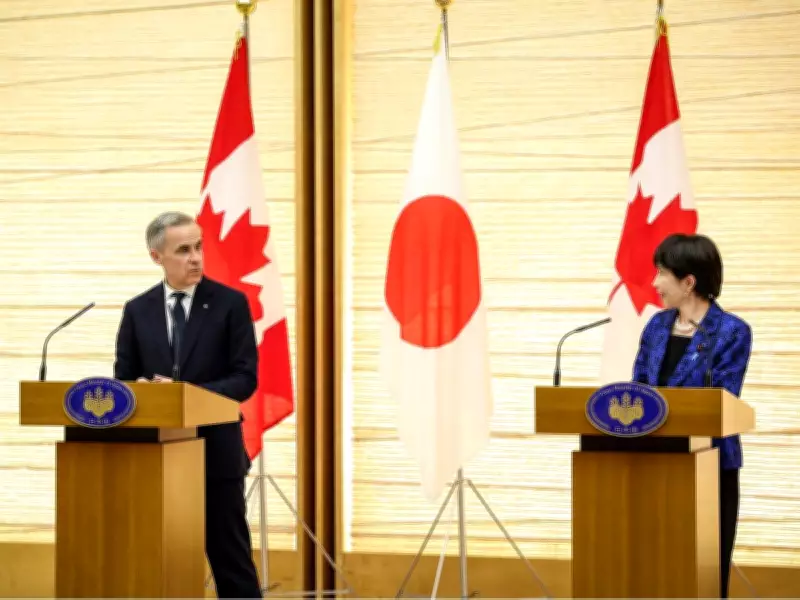
With a potential majority government coming into clearer view, Carney has embarked on his sixteenth international trip during his first year in office, this time visiting Norway and the United Kingdom—his third journey to London alone. As one commentator noted, "I see Carney more than my own mother, who only visits the UK twice per year."
While global affairs certainly warrant prime ministerial attention, critics argue Carney must ensure domestic matters don't suffer from neglect. He recently faced criticism for being unavailable to clarify his evolving position on Iran, and risks further backlash if he continues to treat Parliament as a secondary concern.
Despite these concerns, Carney maintains substantial lead in public opinion polls, a reality that had prompted speculation about potential snap elections before Idlout's defection. This development provides relief for both the country and opposition leader Pierre Poilievre, allowing government and opposition to concentrate on substantive governance rather than political maneuvering.
The Need for Balanced Leadership
Ultimately, Carney must temper his enthusiasm for international diplomacy with increased attention to domestic affairs. As one observer noted, "God bless the Norwegians, but they're not the priority at the moment. Ottawa needs more attention than Oslo."
The prime minister's role encompasses both cabinet committee management and consensus building at home alongside managing international relationships, including navigating the complexities of dealing with figures like Donald Trump abroad. This responsibility includes transparently explaining government positions to caucus members, Parliament, and—when necessary—the media.
Regarding media relations, Carney would benefit from moving beyond treating journalists as mere stenographers, particularly during foreign trips. Transporting press corps to destinations like India while denying them substantive access to the prime minister undermines democratic transparency and suggests insecurity. This approach may stem from Carney's tendency to become testy with reporters, as demonstrated during exchanges with female journalists in Australia.
Effective leadership requires balancing global engagement with robust domestic governance, ensuring neither sphere suffers from inadequate attention as Carney's administration progresses.