Prime Minister Carney Stands by Canada's Afghanistan Mission
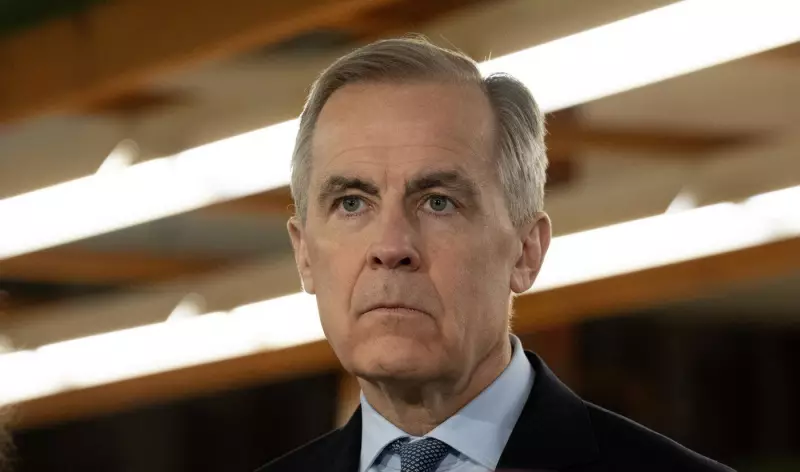
Prime Minister Mark Carney has publicly defended Canada's military and diplomatic record in Afghanistan, addressing ongoing discussions about the country's role in the conflict. The statement was made during a period of significant parliamentary activity, as the government resumes its legislative agenda with a focus on economic measures.
No Request for Apology from Former U.S. President
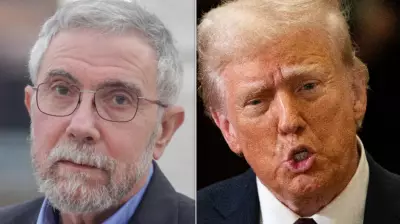
Notably, Carney did not seek an apology from former United States President Donald Trump regarding comments or actions related to the Afghanistan conflict. This position comes amid broader international reflections on the decades-long engagement in the region and its complex aftermath.
Parliament Resumes with Economic Focus
The prime minister's comments coincided with the return of Parliament, where his government unveiled a boost to the Goods and Services Tax credit. This economic measure aims to provide financial relief to Canadians, marking a key domestic policy initiative as the legislative session begins.

Weather disruptions affected parliamentary proceedings, with many New Democratic Party MPs unable to reach Ottawa due to severe winter conditions. Despite these challenges, government officials emphasized their commitment to advancing their agenda.
Context of Canada's Afghanistan Involvement
Canada's military mission in Afghanistan spanned from 2001 to 2014, involving combat operations, reconstruction efforts, and diplomatic engagement. The country's role has been subject to various assessments regarding its effectiveness and legacy.
Carney's defense of this record comes at a time when global powers continue to evaluate their contributions to the conflict and its outcomes. The prime minister's approach reflects a focus on acknowledging Canada's efforts without engaging in public disputes with international allies.
The government's dual focus on foreign policy defense and domestic economic support illustrates the balancing act facing Canadian leadership. As Parliament addresses both historical international engagements and current financial concerns, these parallel discussions highlight the multifaceted nature of national governance.