Prime Minister Mark Carney Announces Federal Gas Tax Suspension
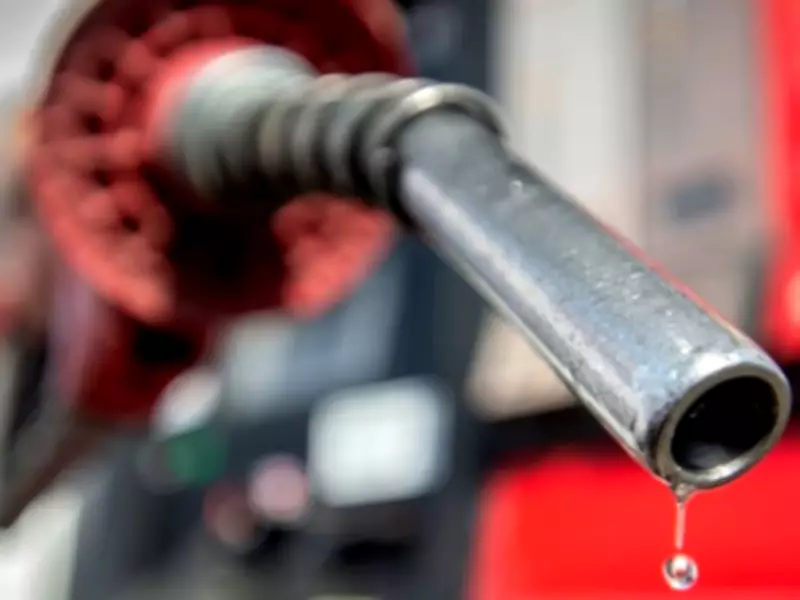
In his first major move as leader of a majority government, Prime Minister Mark Carney has unveiled a plan to provide financial relief to Canadians by suspending the federal gas excise tax. The suspension, effective from April 20 until Labour Day, aims to reduce costs at the pump during the summer months.
Details of the Tax Cut and Potential Savings
The federal excise tax currently stands at 10 cents per litre for gasoline and 4 cents per litre for diesel. By suspending this tax, the government estimates that families could save approximately $13 per week on fuel. Over the course of more than four months, this translates to over $200 in total savings per household.
"We're building a stronger, more resilient and more independent Canadian economy," stated Carney. "As we build, we're cutting your taxes, reducing the cost of your homes and providing relief at the pump. We cannot control what other nations do. We're focused on what we can control—building Canada strong for all."

This relief is particularly significant given recent economic pressures. A survey indicates that nearly half of Canadians are within $200 of being unable to pay their bills, making these savings potentially impactful for millions.
Opposition Proposes More Extensive Measures
However, the Carney government's plan falls short of proposals from the Opposition Conservatives. Conservative Leader Pierre Poilievre has advocated for suspending not only the federal gas excise tax but also the clean fuel standard and the federal sales tax on gasoline. This broader approach could save Canadians up to 25 cents per litre, potentially amounting to nearly $1,000 in savings per family over the remainder of 2026.
Poilievre criticized the limited scope of Carney's initiative, arguing that more comprehensive relief is necessary to address the cost-of-living crisis. He emphasized that such measures would also benefit businesses by lowering operational costs across sectors like food, agriculture, housing, construction, and delivery.
Provincial Governments Hesitate Amid Fiscal Concerns
The announcement places pressure on provincial governments to follow suit with similar tax cuts. Currently, no province has announced plans to reduce gas taxes, with many citing fiscal constraints as a barrier. Provincial deficits across Canada are substantial, leading governments to argue that offering tax relief is financially untenable without corresponding spending cuts.
For instance, Ontario Premier Doug Ford's government previously cut gas taxes but has not proposed new measures akin to Carney's. Provincial leaders contend that addressing budget shortfalls requires belt-tightening rather than additional expenditures.
Broader Economic Implications and Future Outlook
Lower fuel taxes are expected to cascade through the economy, reducing costs for truckers and various industries. This could help mitigate inflationary pressures and support economic stability. However, critics, including deficit hawks, warn that cutting taxes without reducing spending may exacerbate national debt, burdening future generations.
Carney's approach, while providing immediate relief, raises questions about long-term fiscal responsibility. Experts suggest that provinces should consider trimming government expenditures to enable tax cuts without worsening deficits.
In summary, Carney's gas tax suspension offers a temporary reprieve for Canadians, but debates over its adequacy and fiscal sustainability continue. As provinces weigh their options, the focus remains on balancing relief for taxpayers with prudent economic management.