Poll Reveals Canadians' Openness to Joining the European Union
A new poll has uncovered a surprising sentiment among Canadians, suggesting a broad openness to the idea of Canada joining the European Union. This revelation comes amid ongoing discussions about global partnerships and Canada's role on the international stage.
Survey Highlights Unconventional Support
The poll, conducted recently, indicates that a significant portion of the Canadian population is receptive to the notion of EU membership. While the exact figures were not detailed in the initial report, the findings point to a notable shift in public opinion regarding international alliances. This openness challenges traditional views of Canadian sovereignty and foreign policy, which have historically focused on relationships with North American neighbors and the Commonwealth.
Context of Canada-EU Relations
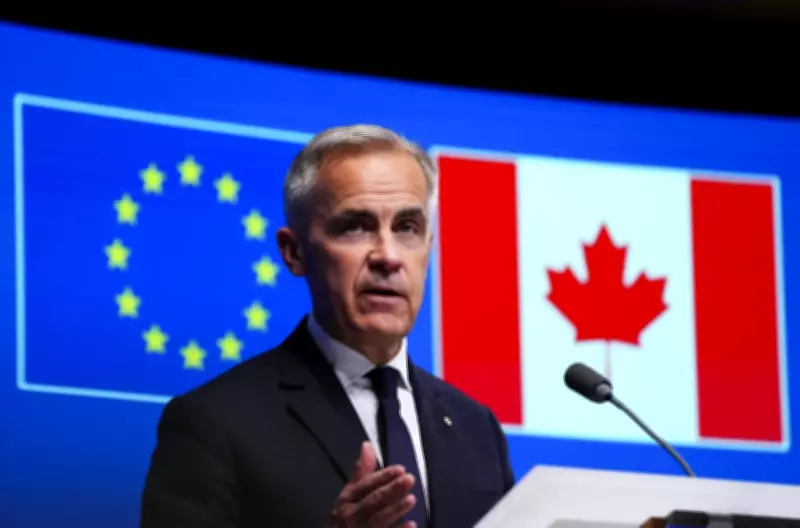
Canada and the European Union have maintained strong diplomatic and economic ties for decades. The Comprehensive Economic and Trade Agreement (CETA), implemented in 2017, has already deepened trade relations between the two entities. Prime Minister Mark Carney's participation in the Canada-EU Summit in Brussels in June 2025 underscored ongoing high-level engagement, as seen in press conferences highlighting collaborative efforts.

However, the poll's suggestion of potential EU membership goes beyond existing agreements, raising questions about political integration and shared governance.
Implications for Sovereignty and Policy
If Canada were to pursue EU membership, it would entail significant changes to national policies, including alignment with EU regulations on trade, environment, and human rights. This could impact areas such as agriculture, manufacturing, and digital privacy, requiring extensive legislative adjustments. Proponents might argue for enhanced economic opportunities and strengthened global influence, while critics could voice concerns over loss of autonomy and cultural identity.
- Economic Benefits: Access to the EU's single market could boost trade and investment.
- Political Challenges: Navigating EU bureaucracy and policy harmonization might prove complex.
- Public Debate: The poll is likely to ignite discussions among policymakers and citizens alike.
Broader Global Trends
This poll reflects a growing trend of nations reconsidering their international affiliations in an increasingly interconnected world. As geopolitical dynamics evolve, countries are exploring new alliances to address shared challenges like climate change, security threats, and economic instability. Canada's potential interest in the EU aligns with this global shift, though it remains a speculative concept rather than an immediate policy proposal.
In summary, while the idea of Canada joining the European Union may seem far-fetched to some, the poll indicates a measurable level of public curiosity and support. As debates continue, this topic will likely remain a point of interest in discussions about Canada's future on the world stage.