Canadian Citizens Scramble to Escape Escalating Middle East Conflict
In the wake of unprecedented joint U.S.-Israeli military strikes against Iran, the Middle East has plunged into its most severe regional conflict since the 1990 Gulf War and 2003 invasion of Iraq. The rapidly deteriorating security situation has prompted tens of thousands of Canadian citizens across the region to urgently seek evacuation assistance from their government.
Registration Numbers Skyrocket as Danger Spreads
According to the latest figures, more than 108,000 Canadians living and working throughout the Middle East have officially registered with Global Affairs Canada, signaling their need for consular support and evacuation options. This staggering number represents a massive mobilization of Canadian citizens facing immediate danger in a conflict zone that continues to expand daily.
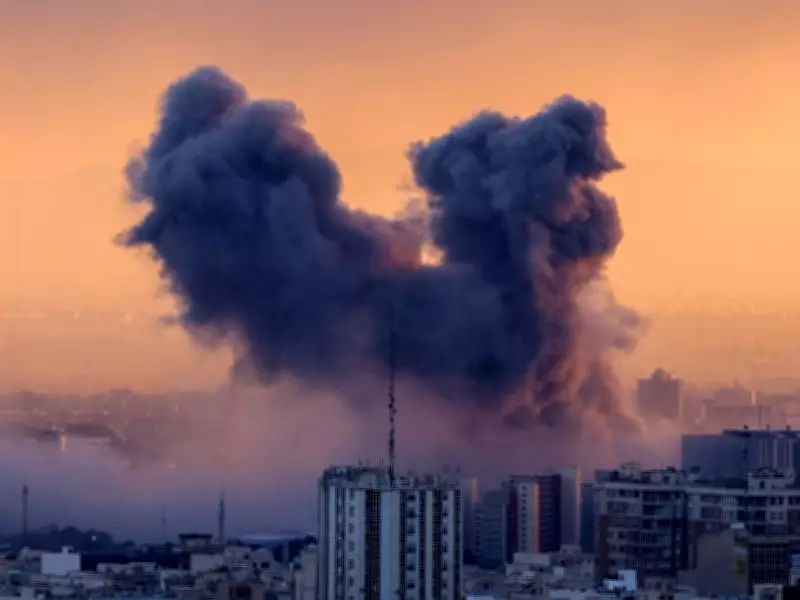
The scale of hostilities has intensified dramatically since Iran's immediate retaliation, which involved launching hundreds of missiles and drones toward Israel and U.S. military installations across the region. Alarmingly, civilian areas in Kuwait, Bahrain, and the United Arab Emirates have also been struck by Iranian projectiles, putting tens of thousands of Canadian residents at direct risk.

Evacuation Efforts Face Mounting Challenges
Canadian Foreign Affairs Minister Anita Anand addressed the crisis during a press conference, acknowledging the volatile and rapidly changing situation. "The situation is volatile and changing by the hour," she warned, while outlining Ottawa's current approach to the evacuation challenge.
While several nations including France, Spain, Belgium, Germany, and the United States have already initiated military and chartered flight evacuations for their citizens, Canada's efforts have focused on coordinating charter flights, securing block bookings on commercial airlines, and arranging ground transportation to move stranded Canadians to safer neighboring countries.
The number of Canadians actively seeking consular assistance to escape the conflict has surged from approximately 2,000 to more than 3,500 in just days, with officials expecting these numbers to continue climbing as the war expands. Despite these escalating needs, the Canadian government has not yet called upon military resources to assist with evacuation operations.
Civilian Toll Mounts Amid Regional Panic
The human cost of the conflict has become increasingly apparent through tragic incidents affecting civilian populations. In one heartbreaking case, an 11-year-old girl was killed in her bed by falling shrapnel after an Iranian missile was intercepted—a painful reminder that civilians often bear the heaviest burden during wartime.
Across affected countries, panic has taken hold as families scramble to prepare for worsening conditions. Supermarket shelves are being emptied, households are stockpiling essential supplies, and communities live in constant dread of warning sirens signaling another incoming attack.
For many Canadian families separated by the conflict, the situation has created agonizing uncertainty. Journalist Mohamed Fahmy, monitoring the crisis from Egypt, reports that his own family members remain stranded in Kuwait where airports have closed and regional airspace faces ongoing threats from missile activity.
Growing Calls for Accelerated Response
As civilian areas come under increasing fire and the conflict shows no signs of de-escalation, pressure is mounting on the Canadian government to deploy military resources and accelerate evacuation efforts before the situation deteriorates further. The unprecedented scale of Canadian citizen registration indicates both the severity of the threat and the urgent need for comprehensive evacuation planning.
With Egypt remaining one of the few regional countries not targeted by Iranian strikes due to its lack of U.S. military bases, it has become a crucial observation point for monitoring the conflict's progression and its impact on Canadian citizens throughout the Middle East.