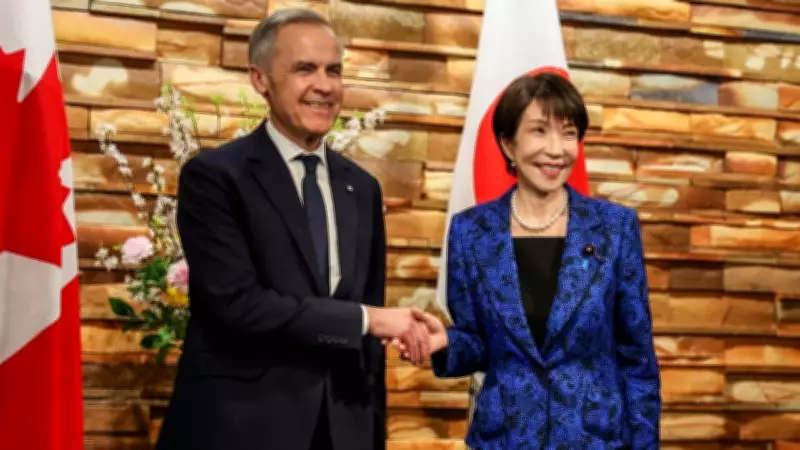
Prime Minister Carney Inks New Strategic Partnership with Japan
Prime Minister Carney has formally signed a new strategic partnership with Japan, marking a significant diplomatic achievement during the concluding phase of his Indo-Pacific tour. This agreement underscores Canada's commitment to deepening bilateral relations with key Asian allies, as global economic dynamics continue to evolve.
Strengthening Bilateral Ties
The strategic partnership focuses on enhancing cooperation in areas such as trade, security, and technology. It aims to foster mutual economic growth and address shared challenges in the Indo-Pacific region. This move aligns with Canada's broader strategy to bolster its presence and influence in Asia, countering geopolitical uncertainties.
Context of the Indo-Pacific Tour
This signing occurred on the last leg of Prime Minister Carney's Indo-Pacific tour, which has included high-level meetings with regional leaders. The tour is part of a concerted effort to strengthen Canada's diplomatic and economic networks in a region pivotal to global stability and prosperity.

Key elements of the partnership include:
- Increased collaboration on cybersecurity initiatives to protect critical infrastructure.
- Joint efforts in promoting sustainable development and environmental conservation.
- Enhanced cultural and educational exchanges to build people-to-people connections.
Political Reactions and Implications
Opposition leader Pierre Poilievre has expressed reservations about Carney's suggested fiscal watchdog, highlighting ongoing political debates over economic oversight. Meanwhile, the partnership is expected to face scrutiny from critics who accuse the government of preferential treatment in other sectors, such as upcoming rail subsidies for steel and lumber.
This strategic agreement comes at a time when global demand for minerals to power technology is projected to triple by 2030, according to UN officials, emphasizing the importance of secure international alliances.
As Canada navigates complex international landscapes, this partnership with Japan represents a proactive step toward securing long-term economic and strategic interests. It reflects a broader trend of nations seeking to fortify alliances in response to shifting global power structures and emerging challenges.