Buttigieg Clashes with Kernen Over Iran War Justifications and Nuclear Strategy
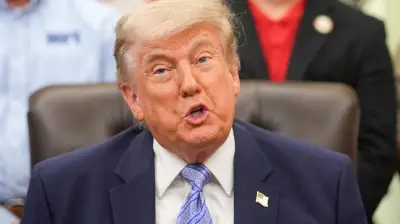
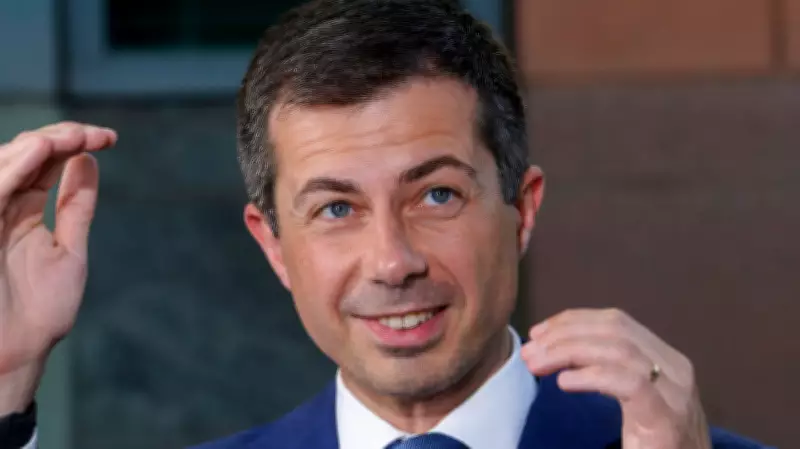
In a heated exchange on CNBC's "Squawk Box" on Friday, former Transportation Secretary Pete Buttigieg systematically refuted claims from host Joe Kernen regarding President Donald Trump's war on Iran. Kernen argued that Trump's military action was necessary to prevent Iran from developing nuclear weapons, but Buttigieg countered with pointed facts about the conflict's consequences and alternative diplomatic approaches.
The Strait of Hormuz: Open Before the War, Now a Flashpoint
Kernen suggested that a "best-case scenario" from the war would be reopening the Strait of Hormuz, a vital waterway for global oil shipments. Buttigieg swiftly corrected him, noting, "The strait was open before they started this." The strait, through which about one-fifth of the world's oil passes, was effectively closed by Iran to U.S. ships after the war began in February, leading to soaring gas prices for Americans and threatening a global energy crisis. Currently, the U.S. and Iran are negotiating amid a temporary two-week ceasefire, but the strait's closure remains a critical issue.
Nuclear Claims and the Cost of Conflict
Kernen conceded that the strait was open pre-war but claimed Iran was "close to having nuclear weapons" before Trump's intervention, echoing long-standing assertions from Israeli Prime Minister Benjamin Netanyahu. However, Buttigieg highlighted the war's devastating human toll: at least 13 U.S. military service members and over 2,000 Iranians have lost their lives. He emphasized that Trump's messaging has been inconsistent, citing the president's past claim that U.S. strikes had "obliterated" Iran's nuclear program, only to escalate into a regional war months later.

Defending Obama's Diplomatic Path
When Kernen questioned alternative approaches, asking "Like what, Obama's way?" Buttigieg firmly replied, "Well, that worked!" He referenced the 2015 Iran nuclear deal, negotiated by then-Secretary of State John Kerry under President Barack Obama, which committed Iran to not developing nuclear weapons. Buttigieg argued, "The point is, they have been stopped from getting anywhere near a nuclear weapon [under Obama]." To debunk Kernen's dismissal of this strategy, Buttigieg posed a simple yet powerful question: "Did they get a nuclear weapon under Obama?"
Kernen rejected this, stating "That did not work," and insisted Iran was "close enough, within months" to obtaining nuclear arms. This claim mirrors Netanyahu's frequent warnings over decades, as humorously compiled by "The Daily Show" in a montage spanning from 1995 to 2025. Buttigieg countered that if Trump failed to halt Iran's nuclear ambitions as previously assured, he needs to "come clean with the American people."
The debate underscores ongoing tensions over U.S. foreign policy, with Buttigieg advocating for diplomatic solutions over military escalation, while Kernen defended Trump's actions as preemptive measures against a perceived nuclear threat.