Several Arab nations have joined Pakistan in an effort to push for a resolution to the Iran war, urging U.S. President Donald Trump to allow more time for negotiations. This diplomatic push comes amid reports that the U.S. is preparing for a possible fresh round of strikes against Iran, although no final decision has been made.
Diplomatic Efforts Intensify
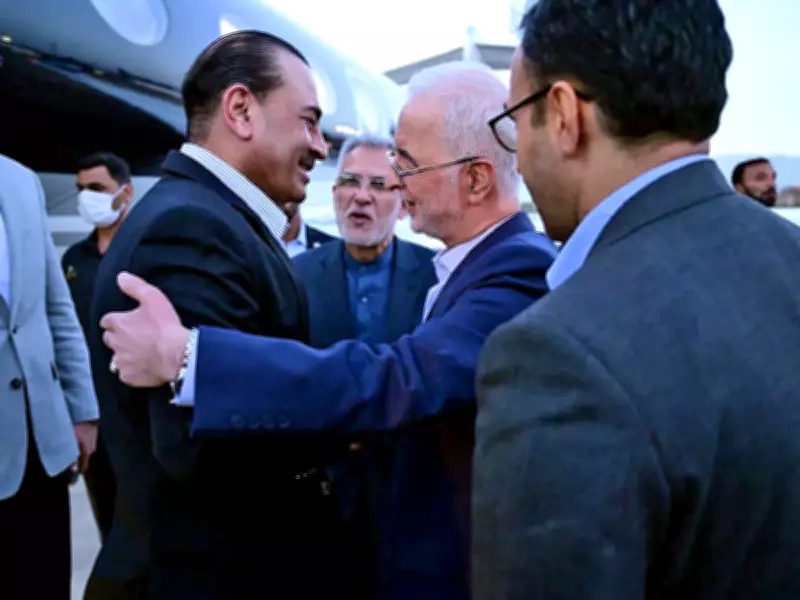
The United Arab Emirates, Qatar, and Saudi Arabia have all appealed to Trump to extend the timeframe for talks, according to several people familiar with the matter. Earlier on Friday, Pakistan’s Army Chief Field Marshal Asim Munir arrived in Tehran, where he was welcomed by Iranian Interior Minister Eskandar Momeni. Munir is expected to participate in discussions covering U.S.-Iran negotiations, according to a Pakistani security official who spoke on condition of anonymity.
Progress and Threats
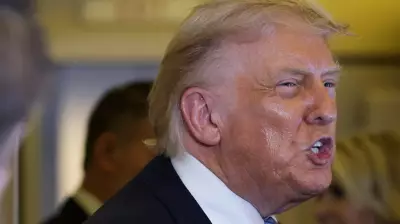
U.S. Secretary of State Marco Rubio reported “slight progress” in negotiations. “I don’t want to exaggerate it, but there’s been a little bit of movement, and that’s good,” he told media at a NATO foreign ministers meeting in Sweden. Meanwhile, Trump told reporters at the White House that Iran was “dying to make a deal,” but he has also threatened further attacks if Iran does not agree to acceptable terms.

Since the ceasefire began six weeks ago, Trump has veered between assurances that a peace accord was near and threats of new aerial assaults. Iran has warned that any new attacks by the U.S. or Israel would extend the war to “new regional fronts,” according to the semi-official Tasnim news agency.
Domestic Opposition
Opposition to the war has grown among Americans upset about rising gasoline prices due to the conflict’s disruption of global energy markets. These anxieties have resonated on Capitol Hill, months before midterm elections that will determine control of Congress. Earlier this week, the Republican-led Senate signaled mounting opposition to continuing the war with a procedural vote, and party leaders abruptly canceled a vote on the conflict as GOP absences threatened an embarrassing defeat for the president.
However, Senator Roger Wicker, chairman of the Senate Armed Services Committee, cautioned that Trump was being “ill-advised to pursue a deal that would not be worth the paper it is written on.” Wicker stated, “Our commander-in-chief needs to allow America’s skilled armed forces to finish the destruction of Iran’s conventional military capabilities and reopen the strait.”