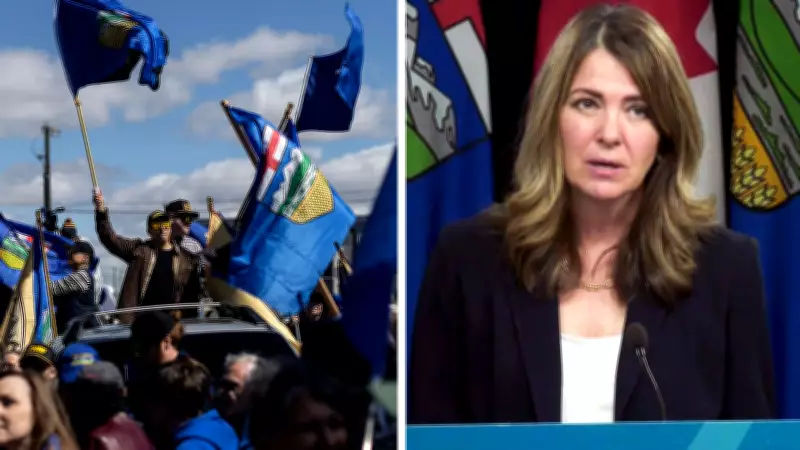
Legal and political battles are escalating around the Alberta separation petition as the pipeline timeline enters debate. Alberta Premier Danielle Smith and supporters of an Alberta separation referendum are at the forefront of the controversy, which has drawn sharp reactions from various political figures and legal experts.
Pipeline Timeline Debate Intensifies
The federal government plans to greenlight Alberta oil pipeline construction by fall 2027, but no private proponent has yet come forward. This timeline has become a central point of contention in the separation debate, with proponents arguing that Alberta's economic interests are being hindered by federal delays.
British Columbia Premier David Eby has criticized Ottawa for what he calls rewarding Alberta's 'bad behaviour' with the pipeline agreement. Eby's comments highlight the growing interprovincial tensions over resource development and environmental policies.

Legal Challenges Mount
Legal experts warn that the separation petition faces significant constitutional hurdles. The question of whether a province can unilaterally secede from Canada remains unresolved, and any referendum would likely trigger protracted legal battles.
Meanwhile, supporters of the petition argue that Alberta's contributions to the federal equalization program and perceived federal overreach justify a renewed push for sovereignty. The debate has also reignited discussions about the balance of power between provincial and federal governments.
As the pipeline timeline debate continues, both sides are preparing for a long and contentious fight. The outcome could have far-reaching implications for Canada's political landscape and energy sector.