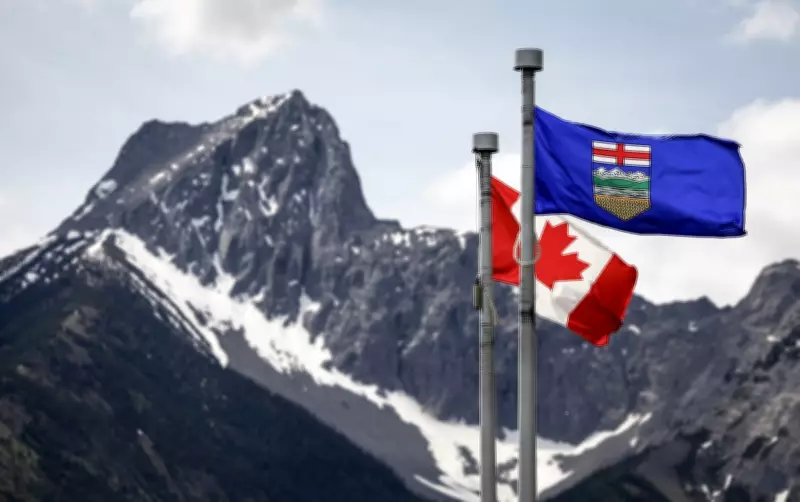
As separatist sentiment in Alberta takes center stage at the western premiers conference in Kananaskis, experts note that the province's secession movement is unlike others in democratic countries around the world. The conference, which brings together leaders from western Canadian provinces, has been overshadowed by discussions about Alberta's push for independence.
Unique Characteristics of Alberta's Movement
Political analysts point out that Alberta's secessionist movement is distinct from similar movements in other democracies due to its economic motivations and the province's unique position within Canada. Unlike separatist movements in regions like Quebec or Scotland, which are often driven by linguistic or cultural factors, Alberta's push for independence is largely fueled by frustration over federal energy policies and a desire for greater control over natural resources.
Comparison with Global Secession Movements
Experts highlight that while secession movements exist in other democratic countries, such as Catalonia in Spain or Flanders in Belgium, Alberta's movement is unusual because it emerges from a province that is already economically powerful and influential within the federation. The movement has gained traction in recent years, particularly among those who feel that Alberta's contributions to the Canadian economy are not adequately recognized.

Impact on the Western Premiers Conference
The focus on Alberta's separation at the Kananaskis conference has led to tense exchanges between provincial leaders. Manitoba Premier Wab Kinew was seen fact-checking Alberta Premier Danielle Smith on separation issues during a testy exchange. The conference, intended to address common challenges facing western provinces, has been dominated by the secession debate.
Nicole Lampa reports that the separatist sentiment is overshadowing other topics, including trade diversification, health care, and climate policy. The conference continues amid growing public interest in Alberta's future within Confederation.