Transparency Advocates Criticize Early Access to Information Reform Proposals
Openness and transparency advocates across Canada have voiced significant disappointment with the preliminary proposals for reforming the Access to Information (ATI) system. The early suggestions, which have been met with skepticism, are seen as falling short of the substantial changes needed to improve government accountability and public access to federal records.
Advocates Demand More Ambitious Reforms
Groups dedicated to promoting government transparency argue that the initial reform ideas lack the depth and breadth required to address long-standing issues within the ATI framework. They emphasize that incremental adjustments will not suffice; instead, a comprehensive overhaul is necessary to align with modern expectations of open governance. Advocates point to persistent delays, excessive redactions, and bureaucratic hurdles as key areas that demand more robust solutions than those currently on the table.
Political Context and Treasury Board Leadership
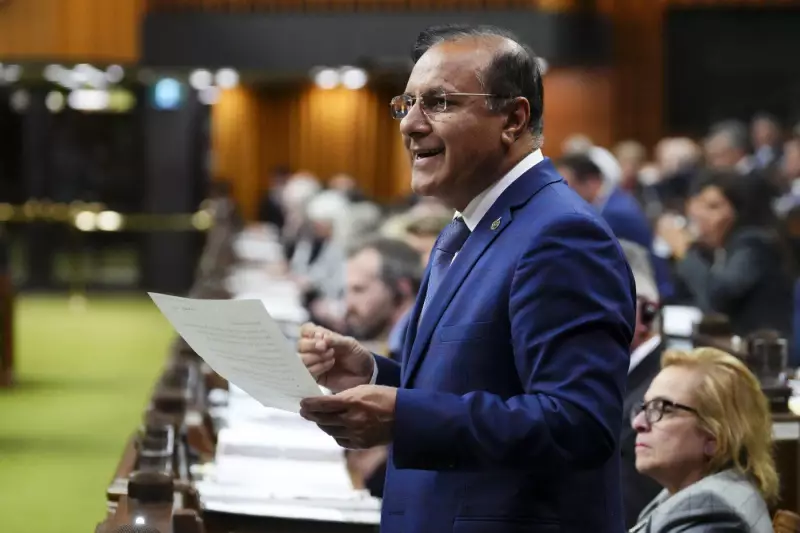
The reform efforts are being spearheaded by the Treasury Board, under the leadership of President Shafqat Ali. As the minister responsible for the ATI system, Ali has faced mounting pressure to deliver meaningful improvements. His role in Parliament, particularly during question periods, has highlighted the political sensitivity surrounding transparency issues. However, advocates remain unconvinced that the early proposals reflect a genuine commitment to transformative change, suggesting they may be more about political optics than substantive policy advancement.

Historical Challenges and Future Expectations
Canada's Access to Information Act has long been criticized for its limitations compared to international standards. Critics note that the system often fails to provide timely or complete responses to information requests, undermining public trust. The current reform process is viewed as a critical opportunity to modernize the legislation, but advocates warn that without more ambitious measures, such as stricter timelines, reduced fees, and broader coverage of public institutions, the reforms risk being ineffective. They call for a collaborative approach that incorporates input from civil society to ensure the final package truly enhances openness.
As discussions continue, the focus will be on whether the government heeds these concerns and revises its proposals to include stronger provisions for accountability. The outcome of this reform initiative could significantly impact how Canadians engage with their federal government and access vital information in the years to come.