Quebec Government Extends Greenhouse Gas Reduction Timeline to 2035
The Quebec government has announced a significant adjustment to its climate strategy, pushing back the target for reducing greenhouse gas emissions by five years. Originally set for 2030, the new deadline is now 2035, as confirmed by provincial officials in early 2026. This decision reflects ongoing challenges in balancing environmental goals with economic and practical considerations.
Minister Drainville Addresses Policy Shift
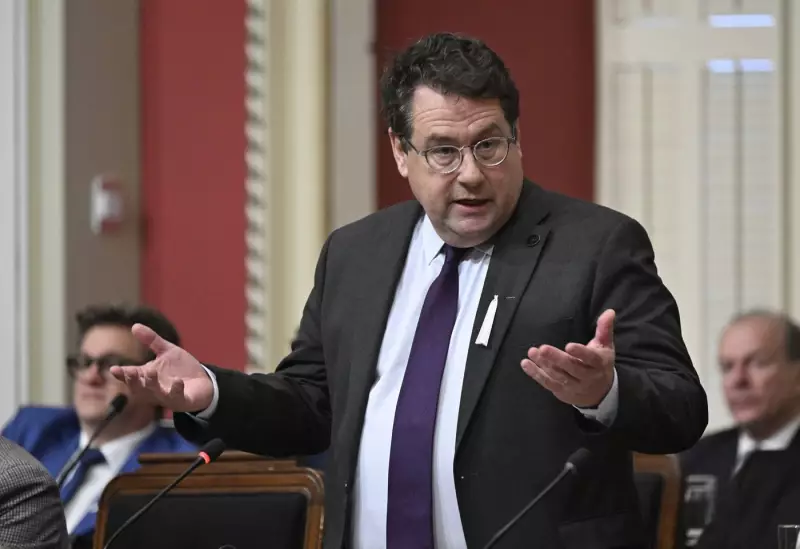
Quebec Environment Minister Bernard Drainville has been at the forefront of this policy change, responding to questions from the Opposition during legislative sessions in Quebec City. In late 2025, Minister Drainville emphasized the need for a realistic timeline that accounts for the complexities of implementing large-scale environmental measures. The adjustment aims to ensure that Quebec can meet its reduction targets without compromising other provincial priorities.
Factors Behind the Delay
Several key factors have influenced Quebec's decision to extend the greenhouse gas reduction target:

- Economic Impacts: The government cites concerns about the potential economic strain of accelerating emissions cuts, particularly on industries and small businesses.
- Implementation Hurdles: Technical and logistical challenges in deploying renewable energy and other green technologies have slowed progress.
- Policy Alignment: Officials are working to align Quebec's climate strategy with federal regulations and international agreements, requiring additional time for coordination.
- Public Consultation: The delay allows for broader stakeholder input, including from environmental groups and the private sector, to refine the approach.
Implications for Climate Policy in Canada
This move by Quebec could have ripple effects across Canada, as provinces often look to each other for guidance on environmental regulations. Quebec has historically been a leader in climate initiatives, such as its cap-and-trade system, so this delay may signal a more cautious approach nationwide. It also raises questions about Canada's ability to meet its international commitments under agreements like the Paris Accord.
Critics argue that pushing back the target undermines urgent climate action, especially in light of increasing global temperatures and extreme weather events. However, supporters contend that a more gradual timeline could lead to more sustainable and effective outcomes, reducing the risk of economic disruption.
Looking Ahead to 2035
As Quebec recalibrates its climate strategy, the focus will shift to developing detailed plans for achieving the 2035 greenhouse gas reduction target. This includes investments in clean energy, transportation electrification, and industrial innovation. The provincial government has pledged to provide regular updates on progress and to engage with communities to ensure a just transition.
The extended timeline offers an opportunity to integrate lessons from other jurisdictions and to leverage emerging technologies. However, it also places greater pressure on future administrations to maintain momentum and avoid further delays. Quebec's decision will likely be closely monitored by environmental advocates, policymakers, and the public in the coming years.