

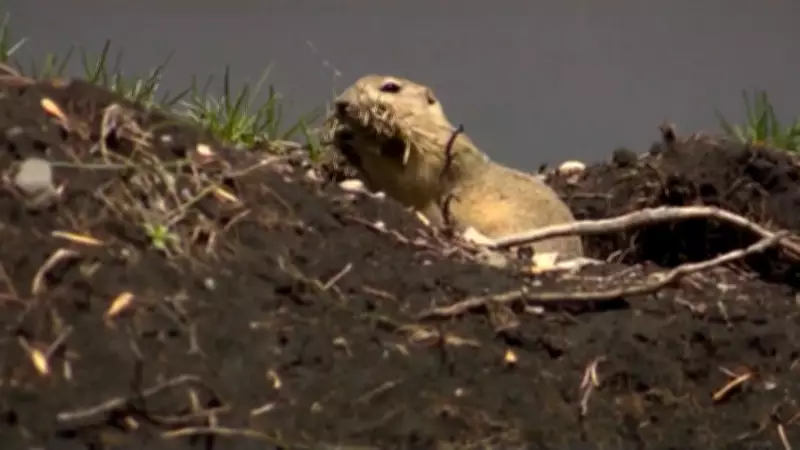
Federal Government Rejects Prairie Provinces' Bid to Use Strychnine for Pest Management
The federal government in Ottawa has formally denied a joint motion from the provinces of Alberta and Saskatchewan that sought approval to use strychnine for pest control purposes. This decision, announced in early February 2026, represents a significant setback for agricultural and wildlife management efforts in the Prairie regions, where local authorities have been grappling with escalating pest populations.
Background and Rationale for the Motion
Alberta and Saskatchewan had collaboratively proposed the use of strychnine, a highly toxic alkaloid, as a means to control pests that threaten crops, livestock, and native ecosystems. Proponents of the motion argued that existing pest control methods have proven insufficient in addressing the growing challenges posed by species such as rodents and invasive predators. They cited economic pressures on farmers and ranchers, as well as concerns about biodiversity loss due to unchecked pest activity.
The motion highlighted the need for more aggressive intervention tools, positioning strychnine as a cost-effective and potent solution. However, it also acknowledged the controversial nature of the substance, which has been largely phased out in many jurisdictions due to its severe risks.

Ottawa's Decision and Environmental Concerns
In rejecting the motion, federal officials emphasized the potential dangers associated with strychnine, both to non-target wildlife and to human health. Strychnine is known to cause painful and often fatal poisoning in animals, and its use can lead to secondary poisoning in scavengers and predators, disrupting entire food chains. The decision aligns with Canada's broader environmental policies and commitments to sustainable pest management practices.
Key factors in the denial included:
- Environmental Impact: Risks to endangered species and ecosystem balance.
- Human Safety: Potential for accidental exposure in rural communities.
- International Standards: Alignment with global trends away from highly toxic pesticides.
Federal representatives suggested that Alberta and Saskatchewan explore alternative, less hazardous methods, such as integrated pest management (IPM) strategies, biological controls, or newer, targeted technologies. They offered to collaborate on research and funding initiatives to develop safer solutions tailored to Prairie conditions.
Reactions from the Prairies and Future Implications
The denial has sparked mixed reactions in Alberta and Saskatchewan. Some agricultural groups and provincial officials expressed disappointment, arguing that the federal government is out of touch with the on-the-ground realities faced by Western producers. They contend that without effective tools like strychnine, pest-related losses could escalate, impacting food security and economic stability in the region.
Conversely, environmental advocates and public health experts have applauded Ottawa's decision, viewing it as a necessary step to protect wildlife and promote ethical pest control. They urge continued investment in innovative alternatives that balance agricultural needs with ecological stewardship.
Looking ahead, this ruling may influence future discussions on pest management policies across Canada, particularly as climate change and habitat alterations contribute to shifting pest dynamics. It underscores the ongoing tension between regional agricultural interests and federal environmental oversight, a theme that resonates in broader political debates.
As the Prairie provinces reassess their strategies, the focus is likely to shift toward developing and implementing more sustainable approaches, potentially setting a precedent for other regions facing similar challenges.






