

The federal government has unveiled a significant tightening of methane emission rules, targeting both the oil and gas industry and landfill operators. This move marks the first major environmental policy strengthening under Prime Minister Mark Carney's administration.
Two-Path Compliance for Energy Sector
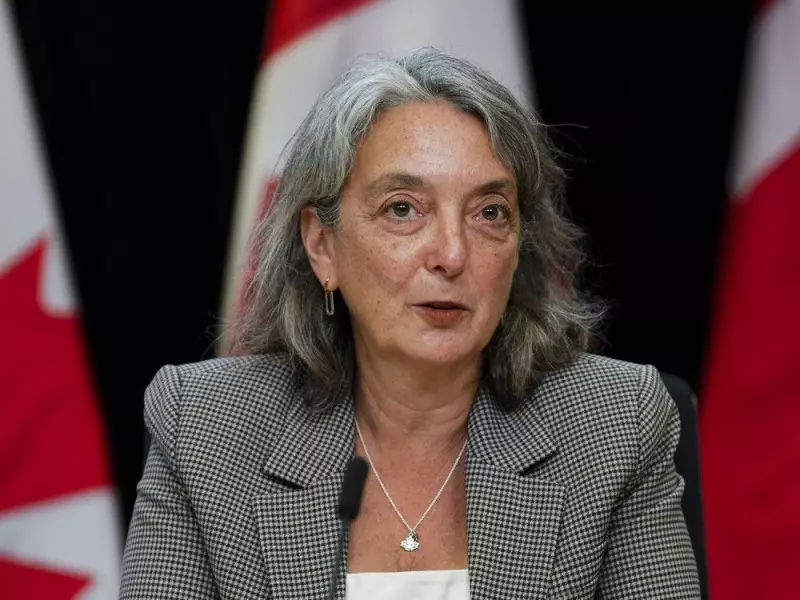
Federal Environment Minister Julie Dabrusin announced the policy in Burnaby on Tuesday. The enhanced regulations, set to be phased in beginning in 2028, will present onshore oil and gas producers with two distinct options for reducing methane emissions.
The first, more prescriptive path will prohibit the routine venting (burning off) of excess natural gas. It will also mandate that companies establish regular inspection schedules to find and repair leaks, a critical source of methane pollution.

The second option grants operators greater flexibility, allowing them to "design their own approaches to controlling methane" provided their facilities meet emission thresholds aligned with leading international voluntary certification standards. However, industry representatives have previously contended that such alternative frameworks are not yet fully developed.
Landfills and Industry Reaction
The new regulatory framework also takes aim at methane from landfills, which accounted for 17 per cent of Canada's methane emissions in 2023. Regulated landfill owners will be required to monitor surfaces, gas recovery wells, and emission control equipment.
While stating the regulations are designed to "significantly cut methane emissions … while giving operators flexibility," Minister Dabrusin acknowledged the changes may frustrate some large oil and gas companies. The sector has historically supported Canada's goal to reduce methane emissions by 75 per cent from 2012 levels but has preferred to chart its own course to achieve it.
Context of Carney's Environmental Shift
These stricter methane rules arrive amidst a broader shift in federal environmental policy. Since taking office in March, the Carney government has rolled back several signature policies of the previous Trudeau administration, including:
- Eliminating the consumer carbon tax.
- Substantially weakening the proposed cap on industrial emissions.
- Signing an agreement with Alberta to facilitate new pipeline development.
Dabrusin expressed optimism about collaborating with Alberta specifically on methane reduction efforts. The announcement signals the government's intent to pursue its climate objectives through a revised regulatory approach, balancing emission targets with economic and provincial concerns.






