New Brunswick Justice Department Confirms Takeover of Woodstock Diesel Leak Investigation
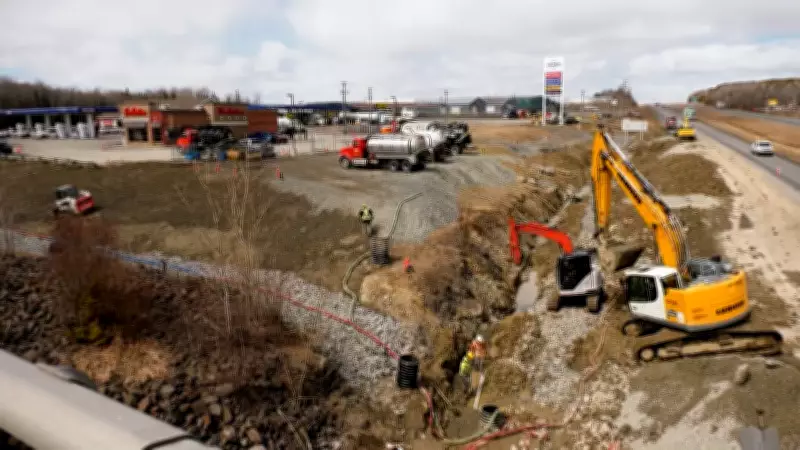
The New Brunswick Justice Department has formally assumed control of the investigation into a diesel leak near Woodstock, marking a significant shift in the handling of this environmental incident. This confirmation comes as provincial authorities step in to oversee the probe, which centers on a fuel spill at a site that has raised concerns about potential contamination and regulatory compliance.
Provincial Oversight and Environmental Concerns
The decision for the Justice Department to take over the investigation underscores the seriousness with which provincial officials are treating the diesel leak. Environmental incidents of this nature often require coordinated efforts between local, provincial, and sometimes federal agencies to ensure thorough assessment and remediation. The takeover likely indicates that the leak has implications beyond local jurisdiction, possibly involving broader environmental regulations or public safety considerations.
Diesel fuel spills can pose significant risks to soil and water quality, potentially affecting local ecosystems and community health. Investigations typically focus on identifying the source of the leak, assessing the extent of contamination, and determining liability for cleanup costs. By assuming control, the Justice Department may be aiming to streamline these processes and ensure consistent application of environmental laws.

Background and Context of the Incident
The diesel leak near Woodstock has been a point of concern for residents and environmental advocates. While specific details about the volume of fuel released or the exact location remain under investigation, such incidents often occur at industrial sites, transportation hubs, or storage facilities. The Justice Department's involvement suggests that the leak may have legal or regulatory dimensions that require specialized expertise.
New Brunswick has faced various environmental challenges in recent years, from water quality issues to industrial pollution. This investigation aligns with ongoing efforts to strengthen environmental oversight and hold responsible parties accountable. The provincial takeover could also reflect lessons learned from past incidents, where delayed or fragmented responses exacerbated environmental damage.
Implications for Community and Policy
The Justice Department's confirmation of its role in the Woodstock diesel leak investigation has several implications. For the local community, it may provide reassurance that provincial authorities are taking the matter seriously and dedicating resources to address it. For policymakers, it highlights the importance of clear jurisdictional protocols when environmental incidents cross administrative boundaries.
This development also raises questions about prevention and preparedness. As climate change and industrial activities increase the risk of such leaks, provinces like New Brunswick may need to enhance monitoring systems and response plans. The investigation's findings could inform future regulations aimed at minimizing similar incidents and protecting vulnerable ecosystems.
In summary, the New Brunswick Justice Department's takeover of the Woodstock diesel leak investigation represents a proactive step toward addressing environmental concerns through centralized oversight. As the probe progresses, stakeholders will be watching closely for updates on contamination levels, cleanup efforts, and any legal actions that may arise from this incident.