

Grassy Mountain Coal Mine: A Selenium Risk Too Great for Alberta's Watersheds
While debates about coal mining often focus on economic benefits versus environmental costs, the proposed Grassy Mountain coal mine in Alberta's Crowsnest Pass presents a more fundamental question. The core issue is whether Alberta should knowingly introduce a long-term selenium contamination risk into the headwaters of watersheds that sustain communities, agriculture, ecosystems, and treaty rights across the province. This is especially pertinent given that a similar version of this foreign-owned project has already failed the public-interest test once before.
The Watershed Connection: Beyond Local Boundaries
Water cannot be dismissed as merely a local issue. This convenient framing often serves to geographically contain consequences, but the reality is far more interconnected. Rivers originating in the Crowsnest Pass—including the Bow, Oldman, Red Deer, and both North and South Saskatchewan rivers—flow into everything downstream that depends on them. This encompasses municipal drinking water supplies, agricultural irrigation systems, vital fisheries, recreational activities, and the overall health of southern Alberta and beyond. As droughts intensify and climate volatility increases, these river systems become even more critical to regional resilience.
Unique Risks of Eastern Slopes Mining
Coal mining on Alberta's eastern slopes carries unique environmental risks due to the region's specific terrain and hydrology. The Rocky Mountains feature steep, erosion-prone landscapes with extensive water connections. What occurs in the headwaters does not remain confined there; it travels downstream through complex hydrological networks. The geological characteristics of this area make contamination particularly difficult to contain once released.

The Selenium Threat: A Persistent Legacy
Project supporters typically respond with promises of mitigation measures. However, the most serious environmental threat from coal mine proposals is not a one-time spill that can be addressed with containment booms. Instead, it's the slow, persistent release of contaminants from disturbed rock—particularly selenium—over extended periods. Selenium occurs naturally in certain coal-bearing rock formations and remains relatively stable when undisturbed underground.
The problem emerges when large volumes of this rock are excavated, blasted open, and piled into waste dumps across disturbed landscapes. Once exposed to oxygen and water—through rainfall, snowmelt, and groundwater flow—the disturbed rock begins to weather chemically. This process mobilizes selenium into seepage and runoff, allowing it to travel downstream through both surface water and groundwater connections.
The Leaching Challenge: No Proven Prevention
This leaching represents not a dramatic event but an ongoing chemical process activated by excavation, exposure, and hydrological patterns. The central problem is that no proven method exists to prevent selenium leaching once this geological disturbance occurs. Unlike many environmental impacts that diminish when operations cease, selenium contamination risk can persist long after mine closure because the disturbed rock continues to react chemically. Water continues moving through the site for decades, potentially requiring indefinite water treatment obligations that could outlast the mining company, commodity cycles, and political attention spans.
The human health implications of selenium exposure are significant and include:
- Nausea and vomiting
- Nail discoloration and brittleness
- Hair loss
- Various other toxicity symptoms
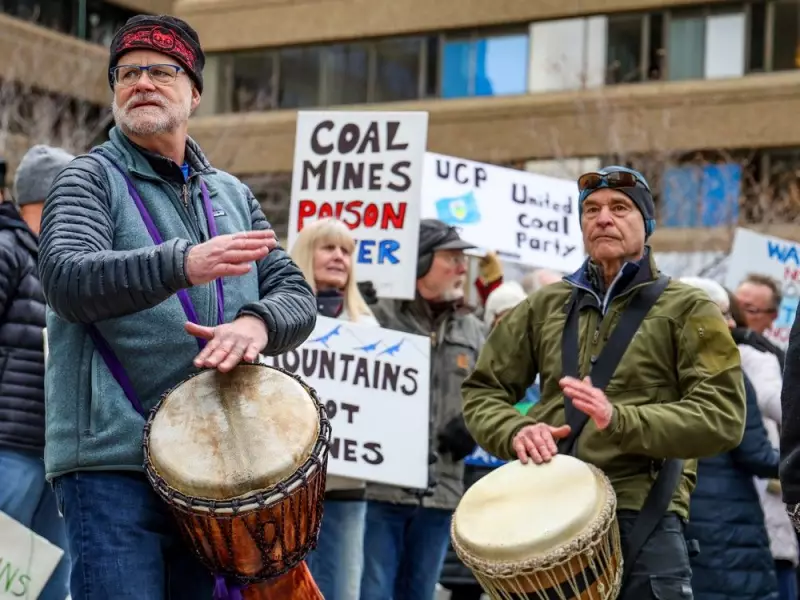
Recent protests in Calgary, where approximately 150 Albertans gathered outside the Alberta Energy Regulator office during project hearings, demonstrate growing public concern about these risks. As Alberta considers this proposal for the second time, the fundamental question remains whether introducing such persistent contamination risks into vital watersheds represents a responsible decision for current and future generations.






