

Canada faces a stark reality check on its readiness for major disasters, from geological threats sleeping for millennia to increasingly ferocious wildfire seasons. The recent discovery of mounting strain along a long-dormant northern fault line serves as a potent symbol of the nation's broader vulnerability.
A Fault Line Awakens, A Warning Ignored
Researchers have revealed that the Tintina Fault, a massive geological feature stretching 1,000 kilometres from northeast British Columbia through the Yukon toward Alaska, has stirred after over 12,000 years of inactivity. Evidence shows it has accumulated at least six metres of unrelieved strain, priming it like a loaded weapon for a potential massive earthquake.
While this may seem a remote northern curiosity, the fault is part of a tectonic system extending under Western Canada, hinting at deeper vulnerabilities that reach into eastern Ontario. This geological awakening underscores an uneasy truth: Canada is not immune to catastrophe.

A Pattern of Complacency and Reaction
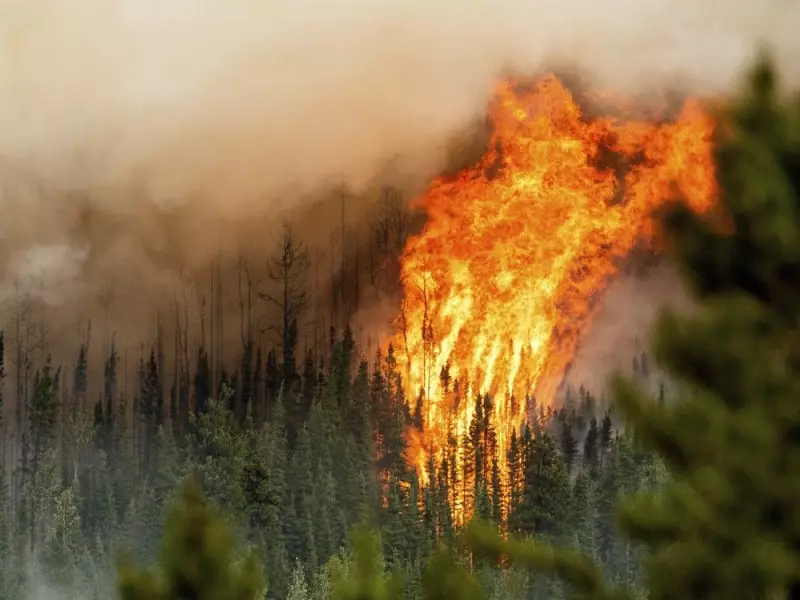
This geological warning mirrors a pattern of societal unpreparedness seen in recent environmental crises. In early 2025, devastating wildfires swept through Los Angeles, forcing school closures and emergency scrambles. Simultaneously, Canadian cities were blanketed in smoke from record-breaking domestic wildfires, a scenario that has become tragically familiar.
The common thread, according to prevention experts, is a failure to act before a crisis hits. A recent survey confirms that most Canadians doubt their communities are ready for a major disaster. Despite this, preparedness is often treated as someone else's responsibility, limited to occasional fire drills or emergency alert tests.
The High Cost of Ignoring Early Warnings
Brodie Ramin, a physician and author of the new book Written In Blood: Lessons On Prevention From A Risky World, has studied how disasters unfold. His research into events from nuclear meltdowns to pandemics reveals a consistent pattern: early warning signs were ignored, systems failed to communicate, and people trusted that “someone else” had it covered.
The real danger, Ramin argues, isn't nature or technology itself, but human complacency. When we ignore the cracks in our systems, we normalize risk.
Responding to the Past, Not the Future
The data reveals a troubling gap between escalating threats and public readiness. The year 2023 saw the most hectares burned in Canadian wildfire history. Yet, in a stark contrast, only one in four Canadian households reported making any preparation for a weather-related emergency in the past year.
This reactive approach—planning for the last disaster instead of the next one—leaves the nation exposed. Preparedness is often misconstrued as merely the government's job or the duty of emergency responders. The reality, experts insist, is far more complex, and the responsibility must be shared more widely across all levels of society, from individuals to institutions.
The next crisis, whether it arrives as a seismic shock from an ancient fault, a raging wildfire, a critical infrastructure collapse, or a massive data breach, is already on the horizon. The critical question for Canada is whether its officials and citizens will meet it with surprise—or with a robust, proactive plan.






