

A grassroots petition calling for government action on so-called "forever chemicals" is making its way to the Alberta legislative assembly, with a former provincial deputy premier warning the issue could be "existential." The petition targets per- and polyfluoroalkyl substances (PFAS), a large group of human-made chemicals that persist in the environment and have been linked to serious health concerns.
Petition Drives Demand for Legislative Action
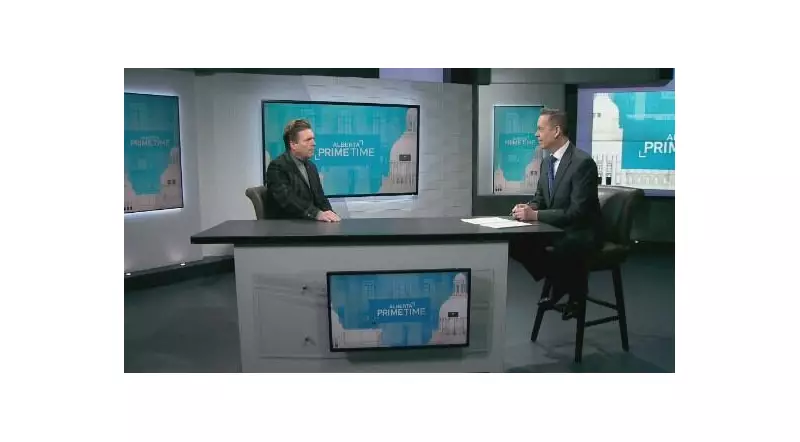
The citizen-led initiative, highlighted on the program Alberta Primetime on December 3, 2025, seeks to compel the provincial government to establish stricter regulations and monitoring for PFAS contamination. These chemicals, found in everything from non-stick cookware and food packaging to firefighting foam, are notoriously difficult to break down, earning them the "forever" moniker.
Former Alberta deputy premier Thomas Lukaszuk, who discussed the petition on the show, emphasized the profound stakes involved. "It could be existential," he stated, underscoring the long-term environmental and public health implications of widespread PFAS pollution. The petition's delivery to the legislature formalizes a growing public demand for accountability and proactive measures.

The Widespread Reach of 'Forever Chemicals'
PFAS contamination is not a hypothetical issue for Canada. The chemicals have been detected in water sources, soil, and wildlife across the country. Their persistence means they accumulate over time in the environment and in the human body. Health studies have associated certain PFAS with increased risks of cancer, thyroid disease, high cholesterol, and developmental problems in children.
While some federal steps have been taken to address specific PFAS compounds, advocates argue that a broader, more aggressive regulatory approach is needed. The Alberta petition represents a direct appeal for provincial leadership, urging lawmakers to fill perceived gaps in protection and to safeguard water and food supplies for future generations.
What Happens Next for the Petition?
Once formally presented in the legislative assembly, the petition will require an official response from the government. This process forces the issue onto the parliamentary agenda and mandates that ministers address the concerns raised by citizens. Environmental groups and concerned residents will be watching closely to see if the petition triggers concrete policy proposals, increased funding for remediation, or stricter industrial limits.
The move in Alberta aligns with increasing global and domestic scrutiny of forever chemicals. Other jurisdictions are enacting bans on certain PFAS uses, and class-action lawsuits related to contamination are underway. The outcome of this provincial petition could signal whether Alberta will join a tightening regulatory landscape or face mounting pressure as public awareness grows.
The push for action, framed as an existential necessity by figures like Lukaszuk, highlights a critical juncture in how Canada manages pervasive and enduring chemical threats. The legislative response, or lack thereof, will be a significant indicator of the province's environmental and public health priorities.






