

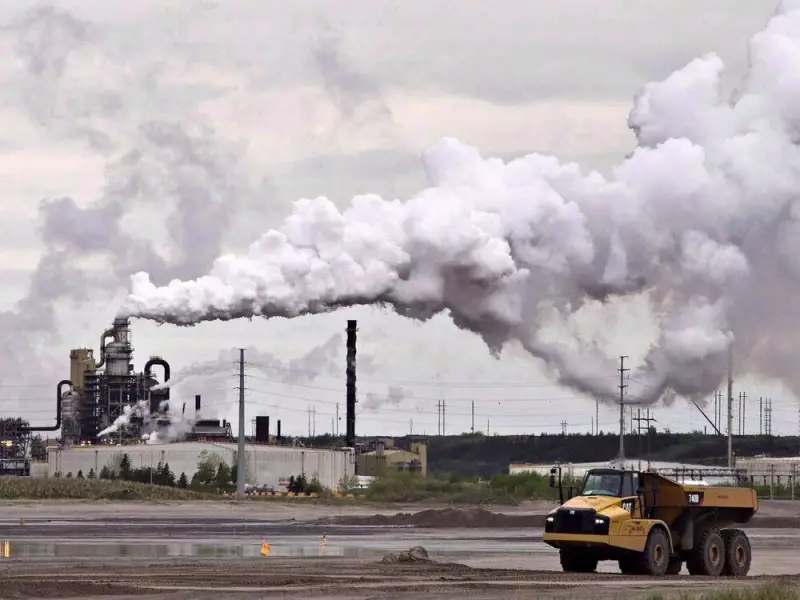
The price of carbon credits in Alberta has surged following a landmark agreement between the provincial and federal governments to significantly increase the cost of industrial carbon pollution. The move has injected new optimism into the province's carbon trading system.
Market Reacts with Bullish Momentum
Data from market trackers shows a sharp rise in the value of credits and offsets within Alberta's Technology Innovation and Emissions Reduction (TIER) system. According to Albert Ho, manager of the TIER business line at Carbon Assessors, trades on Monday reached approximately $24.50 per metric ton. This marks a substantial increase from the sub-$19 levels seen at the close of November.
"The bid is above that now," Ho confirmed via email. "Sellers are holding tight. I think the market has some life in it: more bullish than last week, that's for sure." This price movement represents a direct response to shifting policy signals from government leaders.

The "Grand Bargain" Behind the Price Shift
The catalyst for this market activity is a memorandum of understanding (MOU) signed on November 27 between Prime Minister Mark Carney and Alberta Premier Danielle Smith. A central pillar of this agreement is Alberta's commitment to raise its industrial carbon price from the current $95 per ton to $130 per ton.
This commitment is crucial because, until now, credits within the TIER market have traded at a massive discount to the official provincial carbon price. This discount has undermined the financial rationale for major emissions-reduction projects, most notably the proposed $16.5 billion carbon-capture and sequestration network planned by oilsands producers under the Pathways Alliance banner.
Implications for the Pathways Alliance and Canada's Climate Goals
The Pathways project is a cornerstone of the so-called "grand bargain" outlined in the MOU. In this arrangement, the federal government pledges support for constructing a new oil pipeline to the Pacific coast. In exchange, Alberta accelerates the deployment of large-scale carbon capture technology to drastically cut emissions from the oilsands.
The agreement stipulates that Alberta and the federal government must negotiate a new carbon pricing framework by April. Aligning the TIER market credit prices closer to the official carbon levy is seen as essential to making multi-billion dollar investments in carbon capture, utilization, and storage (CCUS) economically viable for industry.
The recent price surge in the TIER market suggests investors and companies are beginning to factor in a future with a higher cost on carbon, potentially unlocking the capital needed to advance Canada's dual goals of resource development and emissions reduction.






