

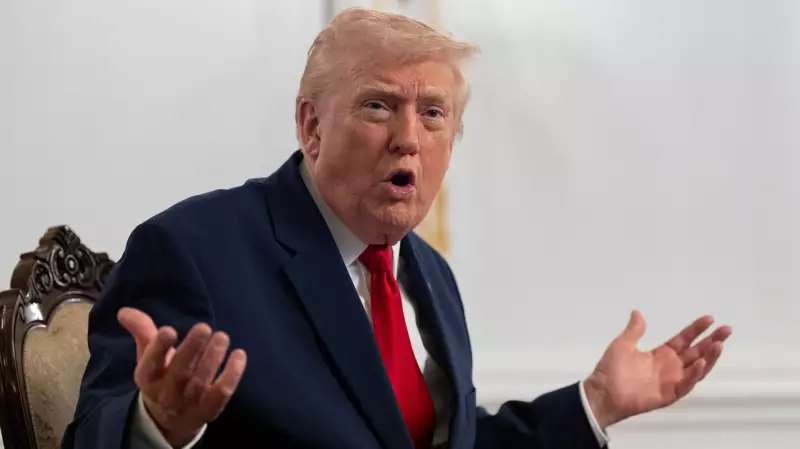
A reliably conservative congressional district in Tennessee unexpectedly transformed into a national political battleground on Monday, the eve of a special election that could send early signals about the 2024 midterms. Heavyweights from both parties, including former President Donald Trump and House Speaker Mike Johnson for Republicans, and former Vice President Al Gore alongside Rep. Alexandria Ocasio-Cortez for Democrats, made urgent appeals to voters.
A District in the National Spotlight
The fight is for Tennessee's 7th U.S. House seat, a district redrawn in 2022 to dilute Democratic influence from Nashville. In 2020, Donald Trump won the district by approximately 22 percentage points, and former GOP Rep. Mark Green carried it by 21 points last year. Yet, the Democratic candidate, state Rep. Aftyn Behn, has mounted a surprisingly strong challenge against Republican Matt Van Epps, a former Army helicopter pilot and state commissioner.
Trump intervened directly twice on Monday, urging voters via a speakerphone call at a rally and a virtual event to support Van Epps. "The whole world is watching Tennessee right now, and they're watching your district," Trump declared during the call at a supporter's farm in Franklin. He framed the vote as a test of Republican strength.

On the Democratic side, Al Gore, a Tennessee native, joined a virtual rally, criticizing the Trump administration as "the most corrupt in history" and blaming Congress for enabling it. Ocasio-Cortez energized supporters, suggesting the competitive nature of the race proves "miracles can happen, including in Tennessee."
The Candidates and the Campaign Clash
The contest pits two distinct figures against each other. Matt Van Epps champions the Trump agenda, supporting past tax cuts and tariffs. He was flanked on Monday by a phalanx of GOP leaders, including Governor Bill Lee and Senators Marsha Blackburn and Bill Hagerty, who emphasized the need for a decisive win to "send a real Tennessee message."
His opponent, Aftyn Behn, a Nashville progressive and community organizer described by some as "our very own AOC of TN," has focused her campaign on kitchen-table issues like the high cost of groceries and health care. Republicans have attacked her with TV ads highlighting past comments where she called herself a "radical" and once expressed frustration with Nashville, saying "I hate this city."
Behn has largely pivoted such questions back to economic concerns. "The barrage of negative attacks is a result of the fact that they don't have a plan to address the rising cost of health care," she asserted at a Monday campaign event.
High Stakes for National Politics
The intense focus on this single seat underscores its symbolic importance for both parties. For Republicans and Speaker Mike Johnson, who told reporters "that is not going to happen" in response to a potential Democratic flip, it's about defending a narrow House majority. Johnson called the race one for "all the marbles."
For Democrats, a strong showing or an upset would provide crucial momentum heading into next year's elections. Democratic House Minority Leader Hakeem Jeffries noted the significance of Republicans spending heavily to defend such a red seat, stating, "Republicans have already lost. The fact that they are spending millions of dollars to hold a seat that Donald Trump just won by 22 points is extraordinary."
The financial investment is substantial. The Democratic House Majority PAC has invested $1 million in Behn's campaign, while the Trump-aligned MAGA Inc. super PAC has put over $1 million behind Van Epps.
Voters reflected the national divide. Jalen Smalls, supporting Behn, cited basic needs like school funding and hospital support. "Those are the bare minimum of what people need in order to thrive, not just survive," he said. Meanwhile, John Rowenczak, a Van Epps voter, expressed concern over illegal immigration and a desire to continue the Trump agenda.
With turnout a concern after the Thanksgiving holiday, Tuesday's election results will be scrutinized as an early barometer of the national political climate.






