Three Byelections on April 13 Set to Potentially Reshape House of Commons Dynamics
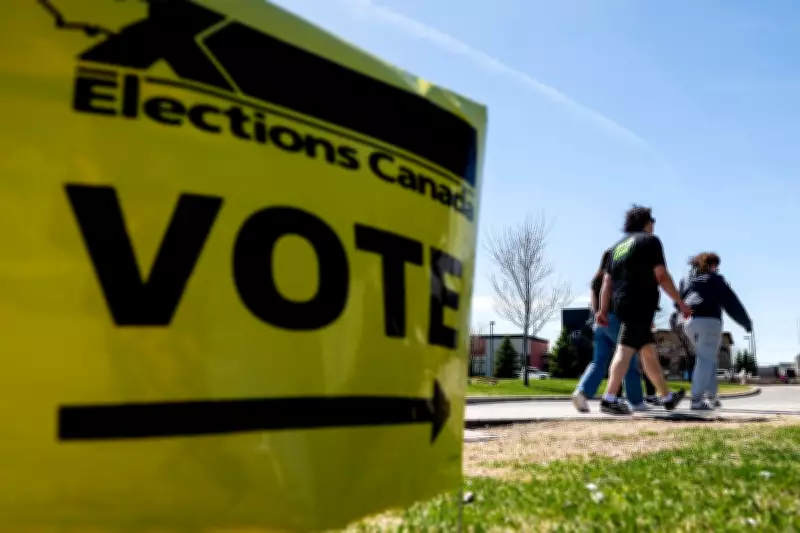
As Members of Parliament reconvene in the House of Commons, political attention is sharply focused on three upcoming byelections scheduled for April 13. These contests are not merely routine electoral events; they carry substantial implications that could fundamentally alter the composition and power dynamics within Canada's federal legislature.
The Significance of These Particular Contests
Byelections occur when parliamentary seats become vacant between general elections, typically due to resignations, retirements, or other circumstances. While often viewed as localized affairs, the collective impact of multiple simultaneous byelections can create meaningful shifts in parliamentary arithmetic. The April 13 votes represent such a convergence, with outcomes that may recalibrate the balance between governing and opposition parties.
The timing of these byelections coincides with critical parliamentary business, including the delivery of reports from the auditor general and testimony from budget watchdog nominee Annette Ryan before the finance committee. This creates a particularly charged political environment where electoral outcomes could influence legislative priorities and government strategy.

Potential Impacts on Parliamentary Mathematics
Each byelection represents an opportunity for parties to gain or lose seats in the House of Commons. Given the current distribution of seats, even modest shifts could have disproportionate effects:
- Minority government stability could be enhanced or undermined depending on results
- Committee compositions might require adjustment based on new party standings
- Legislative alliances may need renegotiation if seat totals change significantly
- Political momentum heading into future electoral cycles could be redirected
The specific constituencies involved—while not identified in the original report—each have their own political histories and demographic characteristics that will influence outcomes. Local issues will inevitably intersect with national political currents to determine results.
Broader Political Context
These byelections occur against a backdrop of significant political developments. MPs are returning to Parliament after an extended break, with numerous pressing issues awaiting legislative attention. The auditor general's reports will provide scrutiny of government spending and programs, while the finance committee's work on budgetary oversight continues.
Political observers note that byelection outcomes often serve as bellwethers for broader public sentiment toward governing parties. Strong performances by opposition parties could signal growing dissatisfaction with current leadership, while government party victories might demonstrate continued public confidence.
As April 13 approaches, all major political parties will deploy significant resources to these contests, recognizing their potential to reshape the parliamentary landscape. Campaign strategies will be carefully calibrated to local concerns while connecting to national political narratives.
The results will immediately affect House of Commons proceedings, potentially altering voting patterns on legislation and influencing the government's ability to implement its agenda. Regardless of specific outcomes, these byelections will provide valuable insights into Canada's evolving political dynamics as the country moves toward future electoral cycles.