

The Quebec Liberal Party is poised for a significant transition following the resignation of its leader, Pablo Rodriguez. With a provincial election on the horizon in 2026, the party must now navigate the critical process of selecting a new standard-bearer. While party rules allow for a swift appointment to fill the vacancy, internal voices are advocating for a condensed but legitimate leadership contest to ensure democratic legitimacy and unity.
The Fast-Track Option Versus a Democratic Race
According to Article 27.1 of the Quebec Liberal constitution, the party holds a mechanism to bypass a lengthy leadership race if time is deemed insufficient before a general election. In such a scenario, the party's executive council can appoint a new leader, provided that person secures support from the executive, a majority of riding association presidents, and a majority of the 18-member Liberal caucus in the National Assembly.
This clause was notably adjusted during the party's recent general council in Trois-Rivières, where delegates suggested drawing inspiration from the U.S. Democratic Party's candidate-switching process. However, former Liberal policy committee chairperson André Pratte is among those pushing for a real race. "We have time even if it will be very demanding," Pratte stated. "The ideal situation is a race with a clear winner to be able to unite the party rapidly." He argues this would grant the new leader greater credibility than a coronation.

Potential Candidates from the Previous Contest
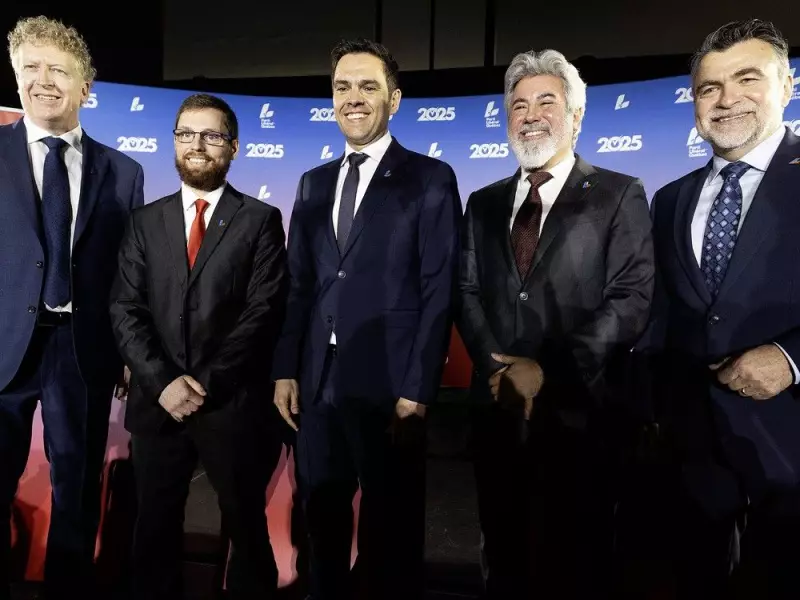
Attention now turns to potential successors, with notable figures from the June 2025 leadership race expressing renewed interest. The party executive, which met the day after Rodriguez's announcement, must first gauge the willingness of these candidates to run in a shortened campaign, potentially starting as early as January.
Charles Milliard, the former president of the Fédération des chambres de commerce du Québec (FCCQ), who placed a strong second to Rodriguez with 47.7% of the points, is actively considering another bid. A source close to Milliard confirmed he is "getting calls" from supporters urging him to run and is weighing the decision, with a priority on party unity.
Similarly, Karl Blackburn, former director general of the party and ex-president of the Conseil du patronat, is also interested. Blackburn, who finished third in the first round with 27.6% of the vote, recently reiterated his aspiration for the premier's office in a television interview.
Who Is Not Running
Meanwhile, Saint-Laurent MNA Marwah Rizqy has definitively ruled herself out of contention. In a social media statement, she firmly rejected any speculation about her seeking the leadership, reaffirming that it was not her intention. Rizqy has previously announced she will not seek re-election in 2026.
The Road Ahead for the Liberal Party
The coming weeks will be decisive for the Quebec Liberals. The choice between a fast-tracked leader and a condensed race carries significant implications for party morale, public perception, and preparedness for the 2026 election. Rodriguez's tenure, while ending abruptly, will not be the shortest in Quebec political history; that record remains with Gilles Taillon, who led the Action démocratique du Québec for just one month in 2009.
As the party deliberates, the political landscape in Quebec awaits the emergence of a new Liberal leader who will be tasked with rebuilding and presenting a compelling alternative to voters.






