Peter MacKay Reflects on Conservative Unity and Harper's Enduring Legacy
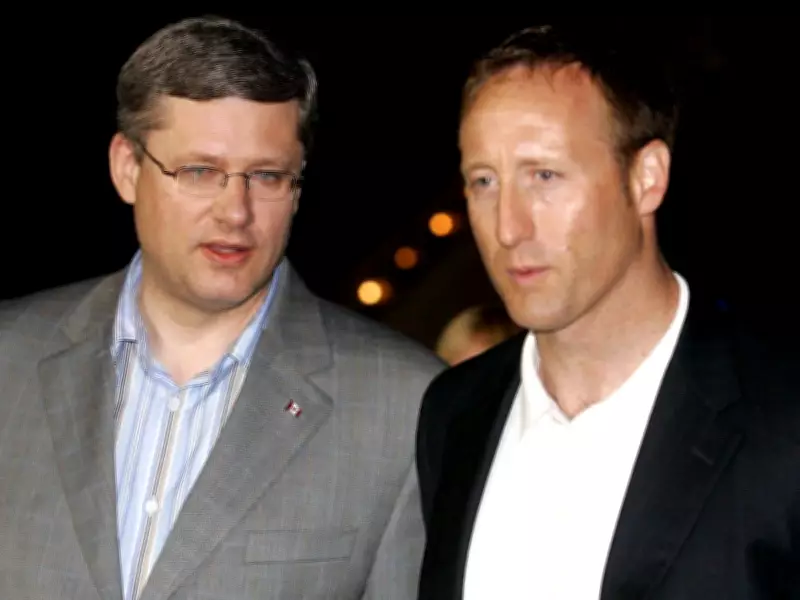
On the 20th anniversary of the Conservative Party's landmark 2006 election victory, former foreign affairs minister Peter MacKay offers a personal reflection on how he and Stephen Harper united Canada's fractured right-wing movement to fundamentally reshape the nation's political landscape.
The Deep Conservative Divide of the 1990s
MacKay first encountered Harper in the late 1990s, when the conservative movement remained deeply divided following the Progressive Conservative Party's dramatic collapse. The 1993 election had reduced the PCs from a majority government to just two seats, creating what MacKay describes as "an era of Liberal hegemony" that seemed destined to continue indefinitely.
The political standoff between the Progressive Conservatives and the Reform Party allowed the Liberals to govern virtually unchallenged, with vote-splitting severely diminishing conservative representation, particularly in vote-rich Ontario. Despite coming from different conservative traditions—MacKay as a newly elected Progressive Conservative and Harper having moved from Parliament as a Reform MP to lead the National Citizens Coalition—both men recognized the unsustainable nature of this division.

Finding Common Ground Across Party Lines
MacKay notes that while his father's generation carried scars from what he terms the "conservative civil war," he personally felt little of that sentiment. He quickly discovered significant common ground with western MPs from the Reform tradition, particularly regarding fiscal policy, governance, accountability, justice, national security, and resource management.
The controversial Liberal long gun registry served as a unifying issue, creating similar frustrations in Atlantic Canada and western provinces alike. Both MacKay and Harper recognized that without merging their parties, conservatives would remain permanently relegated to opposition status.
The Path Toward Unprecedented Political Merger
Neither man initially campaigned as pro-merger candidates when they assumed leadership of their respective parties. MacKay led the Progressive Conservatives while Harper headed the newly renamed Canadian Alliance. Yet both understood their parties faced dim political prospects, staring down what appeared to be a fourth consecutive Liberal majority government.
Chance encounters in an airport and the House of Commons lobby revealed their shared conservative interests and pragmatic approach to politics. MacKay saw in Harper "a deep thinker and a ruthless pragmatist" dedicated to moving past old grievances for Canada's betterment.
Executing a Historic Political Realignment
The actual merger negotiations involved trusted representatives from both parties. MacKay appointed former Ontario premier Bill Davis, former deputy prime minister Don Mazankowski, and Newfoundland MP Loyola Hearn, while Harper selected counterparts from the Reform tradition. Their unprecedented agreement was put to a national referendum, receiving overwhelming support exceeding 90 percent from both party memberships.
Within three years of this historic unification, the newly formed Conservative Party was governing Canada, ending more than a decade of Liberal dominance and fundamentally altering the nation's political trajectory. MacKay's reflection underscores how strategic cooperation and shared conservative values overcame deep-seated divisions to create a viable alternative government that would shape Canadian policy for nearly a decade.