Quebec Political Landscape Heats Up as Liberals and PQ Run Neck and Neck in Latest Poll
A recent survey has revealed a highly competitive political environment in Quebec, with the Quebec Liberal Party and the Parti Québécois (PQ) showing virtually identical levels of voter support. The poll, conducted in early March 2026, indicates that both major parties are locked in a statistical tie, reflecting a province deeply divided along political lines.
Polling Data Highlights Close Contest
The findings suggest that neither party holds a significant advantage as of March 2026, with support levels hovering around the same percentage point. This tight race underscores the ongoing volatility in Quebec's political scene, where shifting allegiances and key issues could sway the outcome of any future election. The poll's margin of error further emphasizes the precarious balance, meaning a slight shift in public opinion could tip the scales in favor of either party.
Leadership Dynamics and Voter Sentiment
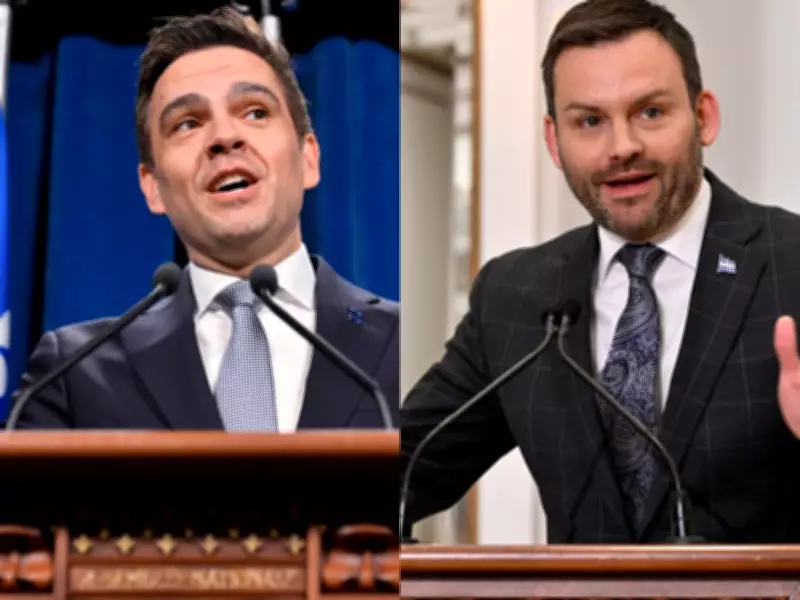
Liberal leader Charles Milliard and PQ leader Paul St-Pierre Plamondon are at the forefront of this electoral battle. Both leaders have been actively campaigning and addressing core issues that resonate with Quebec voters, from economic policies to cultural identity. The poll results highlight how their leadership styles and policy proposals are resonating similarly with the electorate, creating a scenario where personal appeal and strategic messaging may become decisive factors.

Analysts note that this deadlock could lead to intensified campaigning efforts as both parties seek to gain an edge. The closeness of the race suggests that even minor events or policy announcements could have a substantial impact on voter intentions, making every public appearance and debate critically important.
Historical Context and Future Implications
Quebec has a long history of closely contested elections, often influenced by debates over sovereignty, language, and federal-provincial relations. The current poll data aligns with this tradition, indicating that voters remain deeply engaged and potentially split on these perennial issues. As the political landscape evolves, other parties and independent candidates may also play a role in shaping the final outcome, adding another layer of complexity to the race.
Looking ahead, the poll serves as a crucial barometer for the upcoming electoral cycle. Political strategists from both the Liberals and the PQ are likely to use these findings to refine their campaigns, target undecided voters, and mobilize their bases. The results also signal to the public that their votes will carry significant weight in determining Quebec's political direction.
In summary, the latest polling data paints a picture of a province at a political crossroads, with the Quebec Liberal Party and Parti Québécois equally positioned to lead. As both parties gear up for potential elections, the coming months will be pivotal in shaping the future of Quebec's governance and policy priorities.