

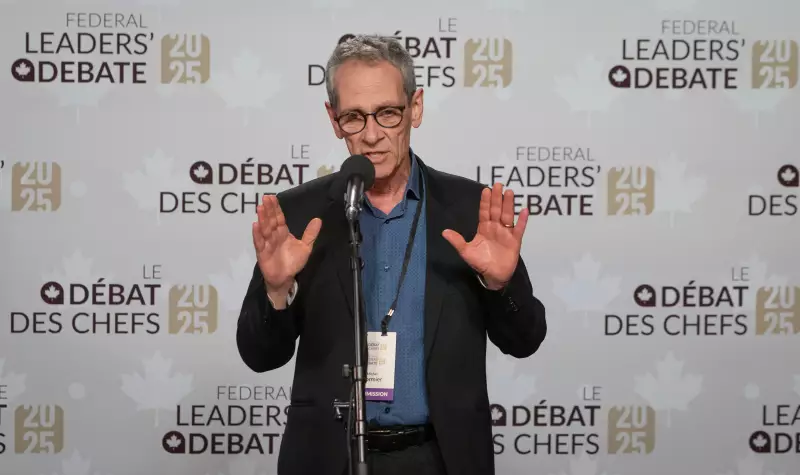
The independent body that organizes federal election debates in Canada is looking to relinquish its responsibility for overseeing the chaotic post-debate scrums where leaders face rapid-fire questions from reporters.
A Shift in Responsibility
The Leaders' Debates Commission, led by Executive Director Michel Cormier, has indicated it no longer wishes to manage the scrums that follow the official televised debates. This decision marks a significant shift in how these pivotal media interactions are handled during election campaigns. The commission's role was to ensure fair access and a structured environment after the main event, but it now finds the task outside its desired purview.
The announcement brings the commission's focus back squarely on the debates themselves. The scrums, known for their intense and unpredictable nature, will now see responsibility fall back to political parties and the parliamentary press gallery. This change could alter the dynamic of how leaders communicate with the press immediately following a high-stakes debate.

Context and Precedent
This development follows the commission's controversial decision in April 2025 to cancel the traditional question-and-answer segment with candidates after an English-language leaders debate in Montreal. That move, announced by Cormier, was criticized by some for limiting direct accountability. The latest step suggests a continued refinement of the commission's mandate, potentially aiming for a cleaner separation between the formal debate and the informal media frenzy that follows.
The commission was established to ensure Canadians have access to at least two official debates during a federal election campaign—one in English and one in French. Its mandate revolves around production, broadcasting, and participation rules for the debates proper. Managing the post-debate scrums added a layer of logistical and political complexity that the commission now seeks to avoid.
Implications for Future Elections
The practical effect of this move means that for the next federal election, the organization and rules of leaders' scrums will likely be negotiated directly between party handlers and the media. This could lead to varied formats, access, and locations depending on the negotiations, potentially creating less consistency than under the commission's oversight.
Political parties will need to coordinate directly with journalists to establish scrum locations, timing, and speaking orders. While this returns to a more traditional model, it also raises questions about fairness and access, particularly for smaller media outlets that benefited from the commission's structured approach.
The Leaders' Debates Commission has not publicly detailed all its reasons for stepping back, but the intense and often adversarial nature of scrums may be a factor. The change is expected to be formalized in the commission's planning for the next general election.






