Japan's Prime Minister Takaichi Calls Snap Election for Next Month
In a significant political maneuver, Japanese Prime Minister Sanae Takaichi has dissolved the lower house of parliament, paving the way for an early general election to be held next month. The decision, announced during an extraordinary session of the Diet in Tokyo on Friday, January 23, 2026, is widely seen as a strategic attempt by Takaichi to capitalize on her current high approval ratings and consolidate her party's power.
A Strategic Political Calculation
Political analysts suggest that calling a snap election at this juncture is a calculated risk by Prime Minister Takaichi. By moving the election timeline forward, she aims to secure a fresh mandate from the electorate while her public support remains strong. This tactic is often employed by incumbent leaders seeking to extend their tenure during periods of perceived political advantage.
The dissolution of the lower house, known as the House of Representatives, marks the formal beginning of the official campaign period. Lawmakers will now return to their constituencies to campaign vigorously ahead of the upcoming vote, which is expected to be a closely watched contest both domestically and internationally.

The Context of Japanese Politics
Japan's political landscape has experienced notable shifts in recent years, with Prime Minister Takaichi's leadership representing a distinct phase in the nation's governance. The decision to hold an early election comes amid various domestic and international challenges, including economic uncertainties and regional security concerns.
Observers note that the timing of this election could have significant implications for Japan's policy direction on multiple fronts, from economic stimulus measures to diplomatic relations with key allies and neighboring countries. The outcome will likely influence the legislative agenda for the coming parliamentary term.
What This Means for Governance
With the election scheduled for next month, Japan enters a period of intensified political activity. The campaign is expected to focus on several critical issues facing the nation, including:
- Economic revitalization and inflation management
- National security and defense policy
- Social welfare reforms and demographic challenges
- Energy policy and environmental commitments
Prime Minister Takaichi's party will be seeking to maintain or expand its majority in the lower house, which would provide greater legislative stability and facilitate the implementation of her government's policy platform. Opposition parties are preparing to present alternative visions for Japan's future, setting the stage for a substantive debate on the country's direction.
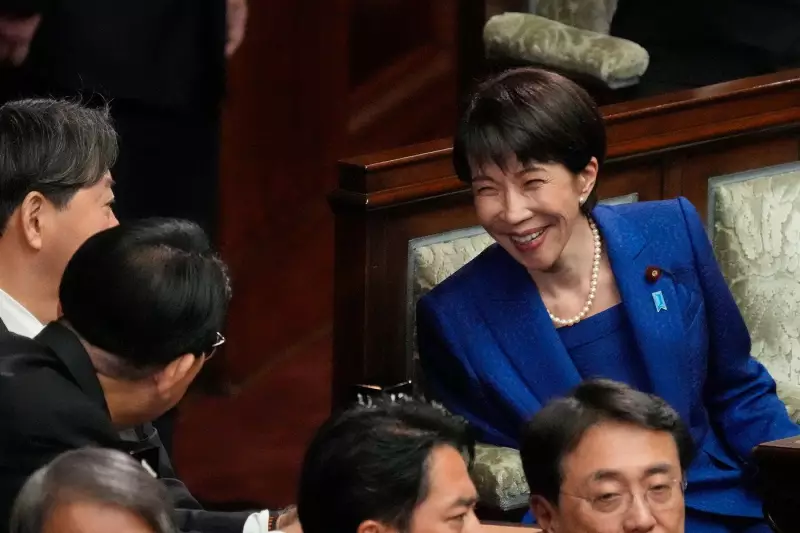
The extraordinary Diet session where the dissolution occurred was attended by numerous lawmakers, including Prime Minister Takaichi herself, who addressed the chamber before the formal dissolution proceedings. The coming weeks will reveal whether her gamble on an early election proves successful in extending her political mandate.