

As Israel moves into a pivotal election year, the government led by Prime Minister Benjamin Netanyahu has set its sights on the nation's independent media, raising significant concerns about press freedom. This development, reported by CNN on December 1, 2025, marks a critical moment for democratic institutions in the country.
Election Year Brings Increased Pressure on Media
The timing of this crackdown is particularly notable, coinciding with the start of a new electoral cycle. Analysts suggest that controlling the narrative and limiting critical journalism could be a strategic move by the ruling coalition. The government's actions are unfolding against the complex backdrop of the ongoing Israel-Hamas conflict, which has already placed immense strain on Israeli society and its political landscape.
Details of the Government's Approach
While the CNN report did not specify every measure being considered, the overarching goal appears to be the exertion of greater control over media outlets. This could involve legislative proposals, regulatory pressures, or financial levers aimed at outlets perceived as hostile to the current administration. The move echoes trends seen in other nations where governments have sought to consolidate power by marginalizing independent watchdogs.

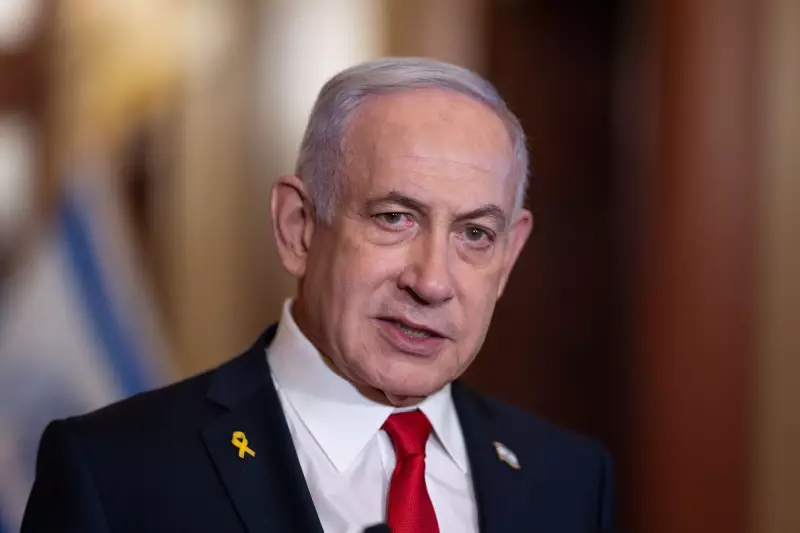
Prime Minister Netanyahu, a dominant figure in Israeli politics for decades, has had a long and often contentious relationship with the press. His recent public appearances, including one at the U.S. Capitol in Washington on February 7, 2025, continue to draw intense media scrutiny. The current campaign against the free press is viewed by critics as an escalation of existing tensions.
Implications for Democracy and Public Discourse
The targeting of a free press poses a direct challenge to one of the fundamental pillars of a functioning democracy: the public's right to be informed. A constrained media environment limits the ability of citizens to make educated decisions at the ballot box, especially during a consequential election period. International observers and human rights organizations are likely to monitor the situation closely, as press freedom indices for Israel could be negatively impacted.
Furthermore, a subdued or compliant press corps may find it more difficult to hold power to account, particularly on sensitive issues such as security policy, economic management, and the conduct of the ongoing war. The health of Israel's democracy is now intertwined with the fate of its independent journalism.
The coming months will be crucial in determining whether Israel's vibrant and traditionally robust media can withstand this governmental pressure. The world will be watching to see how one of the Middle East's most established democracies navigates this internal challenge to its core freedoms.






