For more than a decade, Democrats have used television ads, digital spots, and mail pieces to influence Republican primary voters, pushing them to choose candidates perceived as easier to defeat in general elections. This strategy has often succeeded. Now, Republicans are attempting the same approach, and on Tuesday night in Nebraska’s 2nd District, their efforts showed promise.
Nebraska Primary Results
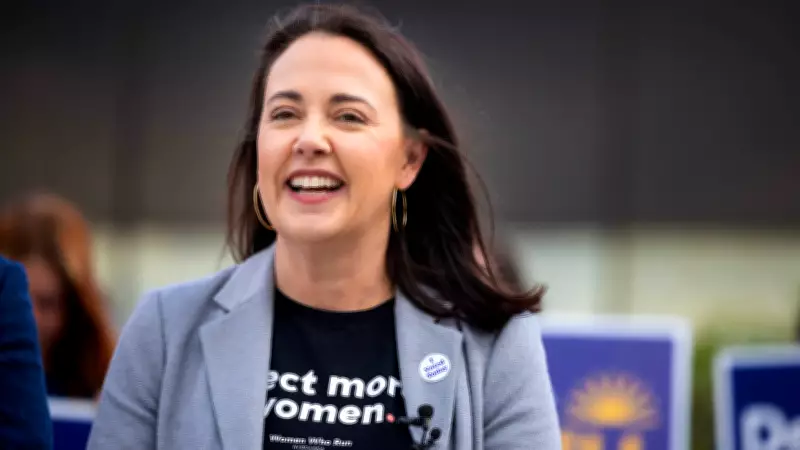
Political consultant Denise Powell holds a narrow 1,080-vote lead in the Democratic primary for a crucial U.S. House seat, following ads by the GOP-linked Lead Left PAC that tied her opponent, state Sen. John Cavanaugh, to President Donald Trump. The Associated Press estimates 89% of votes are counted but has not yet called the race. Powell expressed confidence in a statement Wednesday, thanking voters and emphasizing the importance of democracy.
This Nebraska race is one of four U.S. House contests where GOP-linked PACs are spending heavily to boost specific Democratic candidates. In Pennsylvania’s Lehigh Valley swing district, Lead Left has spent nearly $1 million backing former Northampton County Executive Lamont McClure, who has fundraising challenges, over two more formidable opponents to Republican Rep. Ryan MacKenzie.

Texas and California Efforts
In Texas, the same group is elevating Maureen Galindo, a sex therapist with a history of antisemitic rhetoric, over former sheriff’s deputy Johnny Garcia in a Latino-heavy, conservative-leaning district ahead of a May 26 runoff. In California’s Central Valley, the Congressional Leadership Fund, allied with House Speaker Mike Johnson, is mailing attacks on progressive Randy Villegas to alienate swing voters while appealing to progressives. Villegas faces moderate Jasmeet Bains in a district held by GOP Rep. David Valadao.
GOP strategists suggest the tactic could expand if successful. One anonymous strategist stated, “If Democrats are going to have primaries between different members of the loony left, I don’t see why we shouldn’t make sure the absolute looniest of the possible candidates wins.”
Democratic Criticism
Democrats have condemned the interference. Garcia wrote on social media, “No conspiracy here: a dark money, Republican Super PAC is trying to prop up my opponent because they’re scared of our campaign. Abbott and Trump redrew this district to favor Republicans and now they’re trying protect their ‘investment’ by meddling in my election.”
However, the Democratic Party has long used similar tactics. Sen. Claire McCaskill pioneered the approach by elevating Todd Akin in Missouri in 2012. Democrats used it to secure an easier opponent for Sen. Joe Manchin in 2018 and intensified the strategy in 2022, boosting election deniers whom they later defeated. Republicans have previously attempted such meddling, like in North Carolina’s 2020 Senate race, but never at this scale.
Why Now?
The GOP’s current strategy often aims to boost progressive candidates over moderates backed by Democratic leadership. This reflects a bet that Democratic base voters have become more restless and willing to reject party leaders’ recommendations. Kyle Kondik of the University of Virginia’s Center for Politics noted, “Democrats have more and more left-wing candidates. The primary electorate is a lot more volatile, and that increases the chances that meddling in the primary is going to be successful.” He also cited increased campaign spending enabling super PACs to fund unorthodox tactics.
The Nebraska seat, centered on Omaha, is considered a top flip opportunity for Democrats in 2026. Former Vice President Kamala Harris won it easily in 2024, and incumbent Republican Rep. Don Bacon retired. The GOP’s intervention here deviates from the norm: Powell is seen as more moderate, and national Democrats viewed both her and Cavanaugh as strong. Republicans apparently believe Powell’s ties to a state investigation into illegal foreign donations by liberal groups could be used against her in the general election.

Powell’s lead cannot be attributed solely to GOP efforts. She had backing from the Congressional Hispanic Caucus and Congressional Black Caucus, plus substantial Democratic outside group support, giving her a spending advantage. Her allies also argued that a Cavanaugh victory could threaten the 2nd District’s status as Nebraska’s “blue dot,” providing an electoral vote to Democratic presidential candidates. If her lead holds, Powell will face Republican Omaha City Councilmember Brinker Harding in November.