Republicans in the Georgia state legislature have abandoned plans to redraw the state's congressional and state legislative maps for the 2028 election cycle during a special session that began on Wednesday.
Background of the Redistricting Push
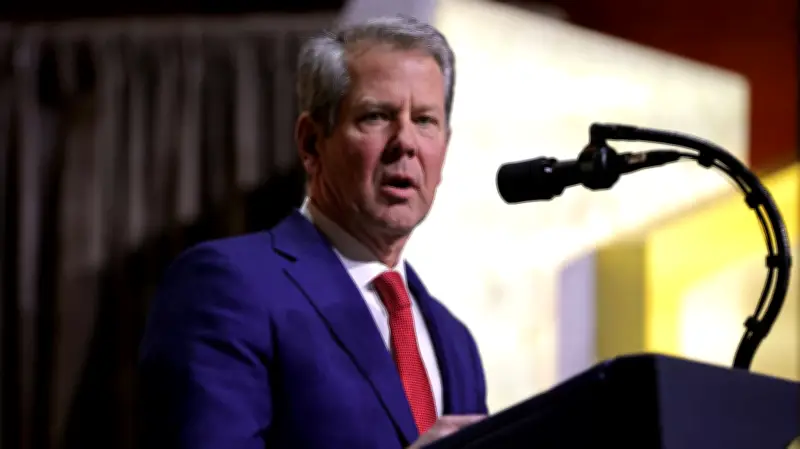
Governor Brian Kemp, a Republican, had called for a special session to redraw maps following the Supreme Court's April decision in Louisiana v. Callais, which effectively weakened the Voting Rights Act. The redistricting push in Georgia threatened to eliminate numerous House and state legislative districts with Black majorities or pluralities.
Decision to Drop Redistricting
In a letter to Kemp on Wednesday, Georgia House Speaker John Burns, a Republican, stated that the legislature should wait to consider redistricting as court cases challenging the existing maps continue. Burns also argued that the public should have more time to respond, as has been the case in past redistricting cycles.

“Changes to Georgia’s maps should take place only when members of the General Assembly and citizens have been given ample opportunity to gather the facts, provide input, and engage in meaningful discussion,” Burns wrote. “For this reason, we will not be taking up congressional or legislative redistricting for the 2028 election cycle during this special session.”
Public Outcry and Protests
The decision to drop redistricting came after massive outcry and protests from Georgians and Democratic state lawmakers who opposed attacks on Black political representation. Lauren Groh-Wargo, CEO of Fair Fight Action, a left-leaning voting rights advocacy group based in Georgia, said in a statement: “Our voices and our votes have power, and when we show up and speak out, we make that power felt. This fight isn’t over yet.”
Political Implications
The failure of Kemp’s bid to redraw district lines is a significant victory for Black Georgians and Democrats, as most Black voters support Democratic candidates. The special redistricting session appeared aimed at getting ahead of a potentially bad election year for state Republicans.
With a ticket led by former Atlanta Mayor Keisha Lance Bottoms and Democratic Senator Jon Ossoff, both facing weak Republican opposition, Democrats have high hopes of winning the governor’s race and at least one chamber of the state legislature in November. If Bottoms wins the governor’s race over billionaire Rick Jackson, Republicans would not be able to enact new maps to eliminate Black districts before the 2030 census.
National Context
Georgia Republicans appeared poised to join the rush of white Southern Republicans eliminating Black political representation in their states following the Supreme Court’s decision. Tennessee’s all-white Republican legislature and state leadership quickly eliminated the state’s lone Black-majority district centered on Memphis. Louisiana and Alabama followed suit by eliminating one of two districts held by Black Democrats in each state.