Democrats' Gaza Genocide Litmus Test Could Backfire in Midterm Elections
Political analyst David Kaufman has issued a stark warning to Democratic candidates: embracing the controversial "Gaza genocide" narrative as a litmus test for progressive credibility represents a potentially disastrous electoral strategy ahead of the upcoming midterm elections. Kaufman argues that while the conflict in Gaza has generated significant activist energy, most American voters remain largely indifferent to the issue, creating a dangerous disconnect between party activists and mainstream constituents.
The Progressive Pressure Campaign
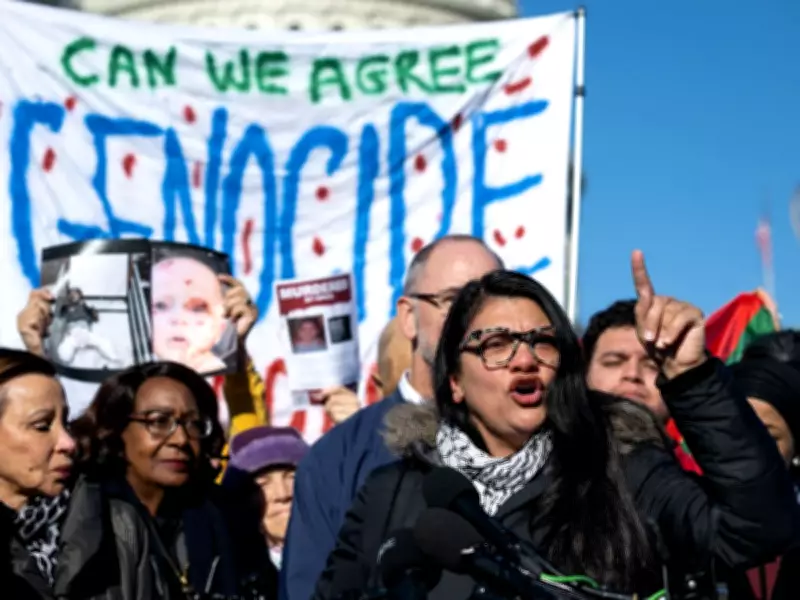
Recent months have seen increasing pressure on Democratic politicians to publicly declare Israel's actions in Gaza as genocide. This pressure has intensified as America enters the midterm election season, with progressive activists making the issue a central test of political allegiance. The situation has created what Kaufman describes as "outsized proportions" for what should be a foreign policy matter, transforming it into a domestic political battleground.
Prominent media figures and politicians have amplified this pressure campaign. Former MSNBC correspondent Joy-Ann Reid recently suggested that no Democratic candidate could secure the 2028 presidential nomination without publicly declaring that genocide occurred in Gaza. "I think it makes you unelectable," Reid stated during a Washington, D.C. panel discussion moderated by journalist Mehdi Hasan.

Political Consequences and Reversals
The pressure has already produced notable political reversals. California State Senator Scott Weiner abruptly declared Israel's actions in Gaza a "genocide" after being heckled during a candidates' forum for the congressional seat previously held by Nancy Pelosi. This represented a significant shift for Weiner, who had previously resisted the genocide characterization and ultimately resigned from co-chairing his state legislature's Jewish caucus amid the resulting controversy.
Kaufman suggests that for figures like Reid, focusing on Gaza genocide claims serves to obscure more fundamental campaign weaknesses. In Reid's analysis of Kamala Harris's failed presidential bid, attributing the loss to a foreign conflict "far removed from the concerns of most Americans" distracts from what Kaufman identifies as deeper issues of campaign legitimacy and authenticity.
The Electoral Reality Check
The fundamental problem with this strategy, according to Kaufman, lies in its disconnect from voter priorities. While activist voices dominate media coverage and campus protests, most Americans appear more concerned with domestic issues like affordability, immigration, and economic stability. The "great masses" of American voters, Kaufman observes, seem largely indifferent to both the Gaza conflict and the resulting antisemitic rhetoric that has accompanied some protests.
For politicians like Weiner, embracing the genocide narrative may represent an attempt to placate vocal activist bases before addressing more pressing state issues. However, Kaufman warns that this approach could backfire spectacularly. "So much talk about Gaza and genocide may only reaffirm their un-electability — not prove a pathway to success," he cautions.
Changing Political Landscape
The political context surrounding the Gaza issue continues to evolve. With a ceasefire currently holding in Gaza and America's attention divided between domestic immigration enforcement and international concerns about Iran's regime, Kaufman suggests the United States may be reaching a point of "Gaza fatigue." This comes just as activists pushing the genocide narrative appear to be preparing for further escalation.
As Democrats prepare for the November elections, Kaufman's analysis presents a crucial dilemma: how to balance the demands of an energized progressive base against the apparent indifference or even alienation of mainstream voters. The party's approach to this challenge could significantly impact electoral outcomes across the country, making the Gaza genocide litmus test not just a matter of foreign policy principle, but of practical political survival.