Democrats Embrace Faith-Based Messaging to Court Christian Voters in 2026 Midterms
In a notable strategic pivot, several Democratic candidates across the United States are actively integrating scripture and religious language into their political campaigns. This approach aims to bridge the traditional gap between the party and Christian voters, particularly as the 2026 midterm elections approach. Historically, evangelical and conservative Christian blocs have leaned Republican, but Democrats are now making concerted efforts to engage these communities on moral and spiritual grounds.
Scriptural References in Campaign Rhetoric
Campaign events and speeches are increasingly featuring biblical passages that align with Democratic policy priorities. For instance, candidates are citing verses about caring for the poor and vulnerable to advocate for social welfare programs, or using teachings on stewardship to support environmental initiatives. This tactic seeks to frame progressive agendas within a faith context, resonating with voters who prioritize religious values in their political decisions.
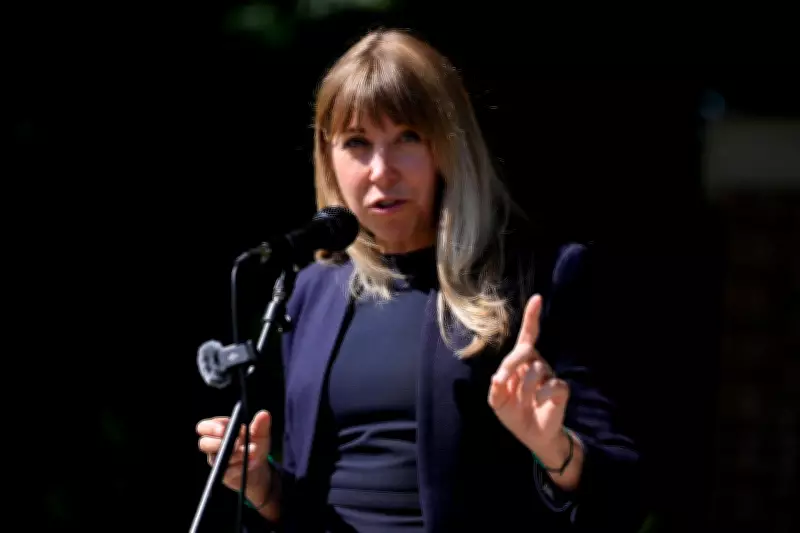
Sarah Trone Garriott, an Iowa congressional candidate, exemplified this trend during a rally in July 2025. Her address wove in scriptural allusions to emphasize themes of community and justice, highlighting how faith informs her stance on issues like healthcare and education. Such moments are part of a broader movement to demonstrate that Democratic values can coexist with, and even be inspired by, Christian beliefs.

Targeting a Diverse Christian Electorate
The strategy extends beyond evangelical circles to include mainline Protestants, Catholics, and other Christian denominations. By tailoring messages to address specific concerns—such as economic inequality, climate change, or immigration—Democrats hope to appeal to a wider spectrum of religious voters. Polls indicate that younger Christians, in particular, may be more open to progressive policies when framed through a moral lens, offering an opportunity for Democratic gains.
However, this approach is not without challenges. Critics argue that it risks alienating secular voters or appearing insincere. Nonetheless, proponents believe that authentically engaging with faith can build trust and foster dialogue, potentially shifting long-standing voting patterns in key battleground states.
Implications for the Political Landscape
As the midterms near, the effectiveness of this faith-based outreach will be closely watched. If successful, it could reshape electoral dynamics, encouraging more Democrats to incorporate religious elements into their platforms. Conversely, failure might lead to a reevaluation of strategy, underscoring the complexities of merging politics and spirituality in a polarized era.
Ultimately, this initiative reflects a broader trend of political adaptation, where parties continuously refine their messaging to connect with diverse constituencies. Whether through scripture or other means, the goal remains the same: to secure votes and influence the direction of the nation.