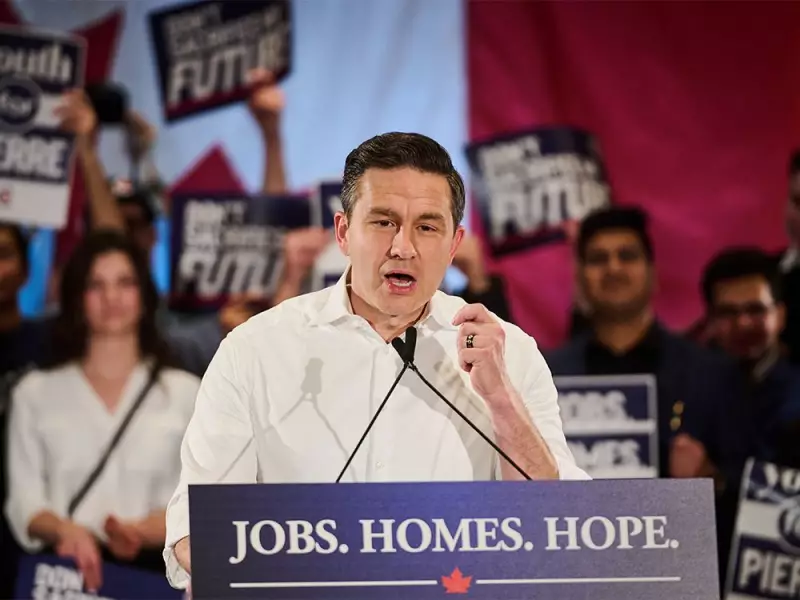
Conservative Populism Gains Momentum Amid Liberal Governance Discontent
As the Conservative Party prepares for its annual convention in Calgary this weekend, a significant debate is unfolding about the party's direction. External voices are urging Conservatives to soften their approach, reject populist rhetoric, and adopt a more conventional political stance. However, many within the party argue that such a move would be catastrophic, potentially undoing years of rebuilding efforts since 2022.
The Case for Populist Conservatism
Conservative Leader Pierre Poilievre enjoys strong support from approximately forty percent of Canadians, with particularly robust backing from the party's base. This support stems from widespread discontent with what many perceive as a decade of Liberal mismanagement that has eroded economic stability and middle-class aspirations.
Younger Conservatives, who form a crucial part of the party's coalition, are unlikely to abandon their concerns simply because the convention concludes. Their frustrations center on tangible issues: diminished prospects for home ownership, financial insecurity, and a perception that older generations fail to understand their struggles.

Economic Realities Fueling Discontent
Recent data paints a concerning picture for younger Canadians. A Macdonald-Laurier Institute study from 2022 revealed that fewer than forty percent of Canadians under thirty expect a better standard of living than their parents, while only one-third believe they can purchase a home within the next decade. More than sixty percent feel their economic challenges are misunderstood by older generations.
The situation has continued to deteriorate. By July 2025, the Consumer Debt Index reported that forty-five percent of Canadians aged eighteen to thirty-four experienced significant financial anxiety. One-third described their lives as stagnating due to monetary constraints, while thirty-seven percent lived paycheck to paycheck. Youth unemployment had climbed to over fourteen percent, up from ten point eight percent in 2019.
Political Implications and Parliamentary Dynamics
Some Liberal partisans, including Government House Leader Steve MacKinnon, have characterized Conservative accountability efforts as obstructionism rather than legitimate parliamentary opposition. This perspective has fueled Conservative arguments that they must maintain a strong, distinct voice rather than conforming to establishment expectations.
Canada has a long history of populist politics across the political spectrum, and many Conservatives argue their current approach simply gives legitimate discontent a powerful voice. At its core, they contend, conservatism should focus on affordability, preserving middle-class stability, and addressing the aspirations of ordinary working people.
The Path Forward
With economic conditions creating genuine hardship for many Canadians, the anger and frustration cannot be easily dismissed. The Conservative Party faces a critical choice: moderate its message to appeal to traditional political norms or embrace the populist energy that has fueled its recent resurgence.
This younger demographic, feeling economically marginalized and concerned about their future, now has significant representation in Parliament through the Conservative Party. With the possibility of a snap election always present, these voters could play a decisive role in determining Canada's next government.