

Preliminary results from Honduras' presidential election indicate a significant lead for the country's conservative party, sparking immediate analysis and debate over the potential influence of former U.S. President Donald Trump's policies on the race.
Election Day Results and Key Figures
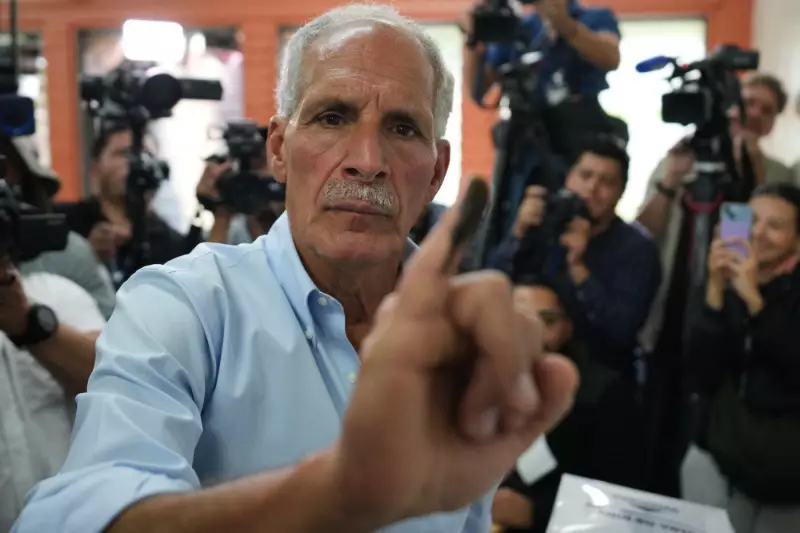
Voters in Honduras went to the polls on Sunday, November 30, 2025, to elect a new president. Early counts show the conservative National Party and its candidate, Nasry Asfura, holding an advantage over the current governing party. Asfura, the mayor of the capital city Tegucigalpa, was photographed displaying his inked finger after casting his ballot, a standard practice to prevent voter fraud.
The "Trump Effect" in Regional Politics
International observers and political analysts are actively debating whether a so-called "Trump effect" is shaping electoral outcomes in Central America. The discussion centers on how the trade and immigration policies championed by the former U.S. president may have shifted political allegiances and voter priorities in the region. This election is being closely watched as a potential bellwether for conservative momentum in Latin America.

Context and Implications
The election occurs at a critical time for Honduras, a nation grappling with economic challenges, security issues, and migration pressures. A victory for the National Party would mark a substantial political shift. The final, official results are pending, but the initial trend has already set the stage for a new chapter in Honduran politics and its relationship with key international partners, including the United States and Canada.
The outcome of this vote could have direct implications for regional stability, trade agreements, and collaborative efforts on issues like security and immigration, which are of significant interest to Canadian foreign policy and diaspora communities.






