

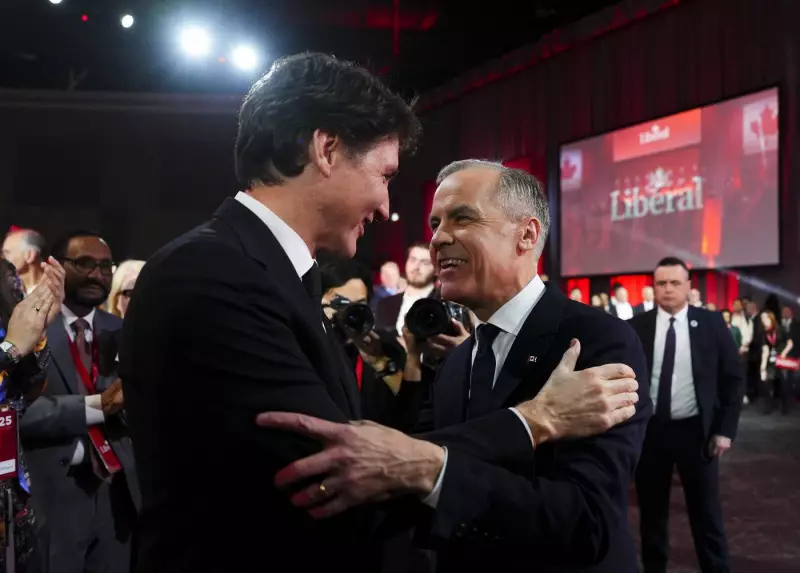
As Prime Minister Mark Carney approaches the one-year mark of his tenure, a clear picture is emerging of a leadership style and policy direction that stands in stark contrast to the era of his predecessor, Justin Trudeau. Carney, who was announced as the leader of the Liberal Party of Canada on Sunday, March 9, 2025, has spent his initial months in the nation's top job forging a distinct path.
A Shift in Political Tone and Substance
The transition from Trudeau to Carney represents more than just a change in personnel; it signals a fundamental shift in Ottawa's political atmosphere. Where Trudeau's premiership was often defined by its emphasis on social justice, progressive branding, and a more casual, relatable public persona, Carney has projected an image of technocratic, economic-focused governance. His background as the former Governor of the Bank of England and Bank of Canada has heavily influenced his approach, with a pronounced focus on fiscal stability, productivity, and regulatory efficiency.
This contrast was underscored recently as the federal government and Ontario moved to sign a deal aimed at reducing the regulatory burden on major projects like the Ring of Fire. Such an initiative aligns with Carney's stated goals of stimulating economic growth through streamlined processes, a priority that often took a backseat to other agendas in the previous administration.

Policy Priorities and Parliamentary Dynamics
Carney's first year has been marked by a recalibration of the government's policy engine. Key issues like affordability and public safety have been thrust to the forefront, resonating with concerns raised by figures like a former grocery executive considering a political run. The government's recent enactment of a 'Buy Canadian' policy for federal procurement further illustrates a pragmatic shift towards economic nationalism and support for domestic industry.
Meanwhile, the political landscape continues to present challenges. The incident where six MPs were denied entry to the West Bank by Israeli officials highlighted the complex foreign policy files Carney has inherited. Domestically, his government faces pressure to address issues like the call for federal reporting on 'underperforming' public servants and measuring productivity, a report that aligns with Carney's data-driven reputation.
Defining a New Chapter for the Liberal Party
The leadership change from Trudeau to Carney was a pivotal moment for the Liberal Party, seeking renewal after a challenging period. Carney's victory at the party leadership event in Ottawa last March set the stage for this new chapter. His first year has been about establishing a different rhythm—one less focused on grand philosophical narratives and more on measurable outcomes and economic confidence.
This is not to say the social progressive elements of the Liberal platform have vanished, but they are increasingly framed through the lens of economic inclusion and long-term sustainability. As Carney's premiership continues to evolve, the contrast with the Trudeau years provides a clear framework for understanding the new political direction in Ottawa. The coming months will test whether this technocratic approach can maintain public support and address the myriad of issues facing Canadians, from healthcare and housing to international relations.






