

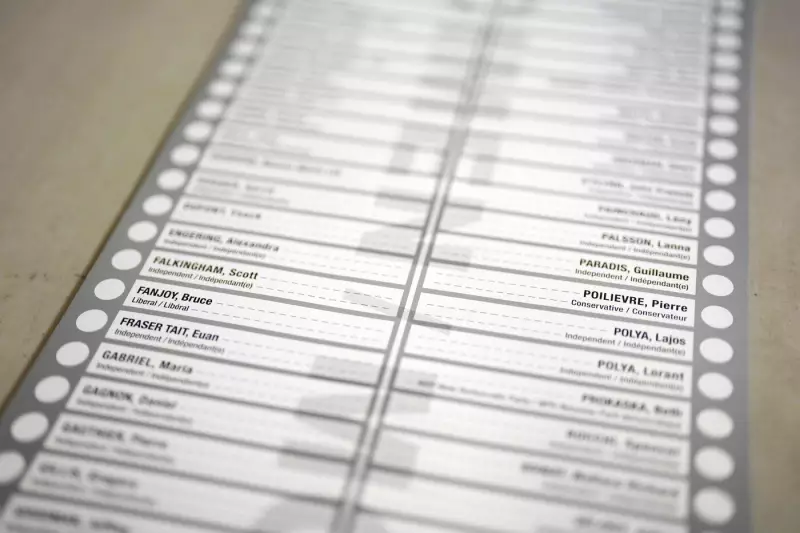
The Government of Alberta has introduced new legislation aimed at streamlining the voting process and preventing voter confusion in future elections. The proposed bill seeks to address the issue of excessively long ballots and place restrictions on the use of historical political party names.
Key Provisions of the Proposed Legislation
The bill, tabled in the legislature, contains two primary components designed to modify the province's electoral landscape. The first measure is intended to deter unusually long ballots that can overwhelm voters with an extensive list of candidates. While the specific mechanism for limiting ballot length was not detailed in the initial announcement, the goal is to create a more manageable voting experience for Albertans.
The second, and more specific, provision restricts the future use of "legacy" party names. This measure would prevent new political entities from registering or operating under historical party names that are well-known to the electorate. The move is seen as an effort to reduce confusion and ensure that party labels clearly represent their current ideologies and membership, rather than capitalizing on the recognition of past organizations.

Context and Rationale
The legislation was presented on December 04, 2025. Proponents argue that lengthy ballots can contribute to voter fatigue and may inadvertently disadvantage candidates whose names appear far down the list. Furthermore, the restriction on legacy names aims to foster transparency in the political arena, ensuring voters can make informed choices based on a party's present platform rather than its historical associations.
This initiative follows a broader trend of examining electoral procedures to improve accessibility and clarity. The Alberta government has framed the bill as a common-sense update to the Elections Act that prioritizes the voter's experience and the integrity of the democratic process.
Potential Impacts and Next Steps
If passed, this legislation will have direct consequences for how political parties organize and how ballots are structured in Alberta. New parties would need to select original names, potentially encouraging more distinctive political branding. Electoral officials would also be tasked with implementing the new rules governing candidate lists on ballots.
The bill will now proceed through the standard legislative process, including debate in the assembly and committee review. Stakeholders, including political parties, advocacy groups, and elections experts, are expected to provide feedback on the proposed changes. The government's move underscores an ongoing focus on provincial governance and electoral mechanics, setting the stage for potential reforms ahead of the next scheduled election.






