Air Canada Crash at LaGuardia Airport May Intensify Travel Fears, Psychologist Suggests
The tragic Air Canada plane crash at New York's LaGuardia Airport on March 23, 2026, which resulted in the deaths of two Canadian pilots, could potentially amplify existing travel anxieties among the public, according to insights from a psychologist examining the incident's psychological repercussions. The crash has drawn significant attention to aviation safety protocols and the emotional toll on travelers, especially as it follows a period of heightened global travel disruptions.
Details of the Fatal Incident
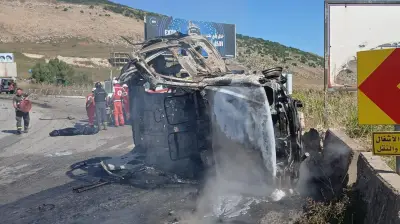
On Monday, March 23, 2026, an Air Canada jet crashed at LaGuardia Airport in New York, leading to the immediate cancellation of multiple flights, including those from New York to Montreal-Pierre Elliott Trudeau International Airport. The pilots, identified as a Quebec man and a Seneca College graduate, were both killed in the accident. Preliminary reports indicate that the crash occurred during landing procedures, with air traffic control recordings capturing urgent communications, including the phrase "Stop truck 1. Stop," though the exact cause remains under investigation by authorities.
Psychological Impact on Travelers
A psychologist specializing in trauma and anxiety noted that such high-profile aviation incidents often trigger or worsen travel-related fears in the general population. "When a major event like this happens, it can resonate deeply with people, leading to increased stress and hesitation about flying," the expert explained. This is particularly relevant given the context of recent travel uncertainties, such as weather-related cancellations and broader economic pressures affecting transportation costs.

The crash has also sparked discussions about the demands on air traffic controllers, with some analysts pointing to potential systemic issues in aviation management that could contribute to public unease. As investigations continue, the psychological fallout may extend beyond immediate travelers to impact tourism and business travel sectors, especially in regions like Canada and the northeastern United States.
Broader Context and Safety Concerns
This incident occurs amid a backdrop of other transportation challenges, including winter storm warnings in British Columbia and flooding in Winnipeg, which have already disrupted travel plans across Canada. The Air Canada crash adds another layer of complexity to public perceptions of safety, potentially influencing future travel decisions and policy debates around aviation regulations.
In response, airlines and airports may need to enhance communication strategies to reassure passengers, emphasizing safety measures and transparency in incident reporting. The psychological expert emphasized that proactive support and clear information can help mitigate anxiety, but the long-term effects on travel behavior will depend on the outcome of the crash investigation and subsequent safety improvements.