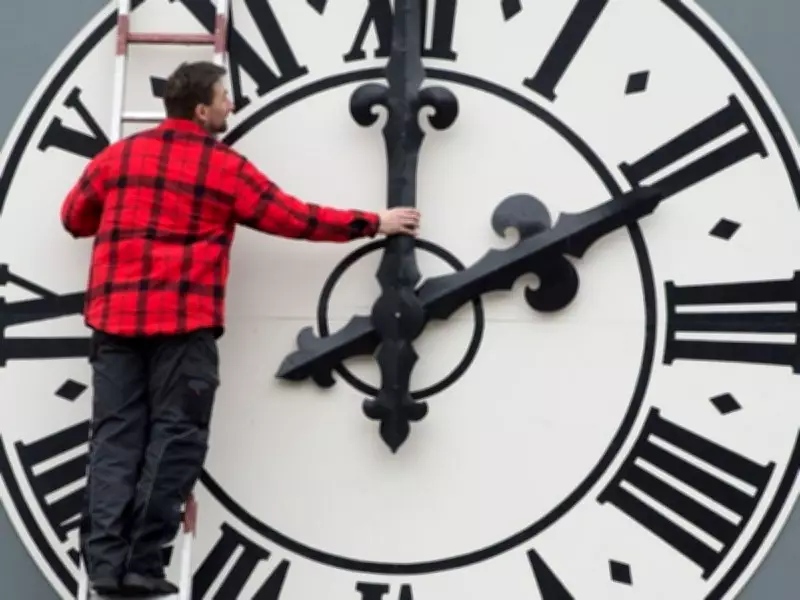
There are many dynamics to the time change debate, but allowing Albertans to be heard is perhaps the most important. Alberta is moving to end the twice-yearly clock changes and shift the province to permanent mountain daylight time. However, the outdoor recreation community and many tourism operations, including the 32 ski areas across Alberta, are disproportionately affected by this topic.
Industry Concerns
Represented by the Canada West Ski Areas Association (CWSAA), the industry has voiced its preference for mountain standard time if the province chooses a year-round permanent time. The government’s outreach to CWSAA to understand ski industry concerns with permanent daylight time, particularly around safety and competitiveness, has been appreciated.
Daylight hours are of great significance to those who exist beyond indoor spaces and office buildings. Much activity takes place only during daylight hours, and with less than eight hours of sunlight during the dark days of December and January, darkness is a factor for workers and participants. In mountain environments such as ski areas, safety checks and avalanche control must be done during daylight hours, which delays when the public can access slopes. These and other factors dictate the duration and exact hours of operation for ski areas, which in turn affect Alberta’s competitive advantage when competing for the global ski market.

Major competitors in Utah, Colorado, Wyoming and Montana are on mountain standard time in the winter, and enjoy longer daylight hours with early morning starts. When considering the complexity of factors that go into operating world-class destination mountain resorts safely, the significance is not as easy as just operating later in the day.
Referendum History
Albertans voted in a referendum in 2021 and defeated the idea of year-round daylight time. And if referendums are the purest form of democracy, especially for a topic that touches all citizens, the suggestion to reverse this decision in an omnibus bill comes as some surprise. To respect the wishes of Albertans, the question of year-round standard time should be put to a vote. It seems entirely consistent that a universally impactful decision such as a time change be placed on the ballot.
Until then, the 2021 result can be maintained. To override the desires expressed by the electorate may question the purpose of a referendum.
Historical Context
Historically, every town had its own sundial fixed at high noon. With the advent of the railroad and the telegraph, standard time zones were devised by Sandford Fleming to expedite commerce, trade and train schedules. Broad swaths of territory were included in each time zone.
Given the government’s strong commitment to public discourse, the time change question should be put to Albertans in the October referendum. It stands to reason that a decision affecting everyone should be made by everyone.