

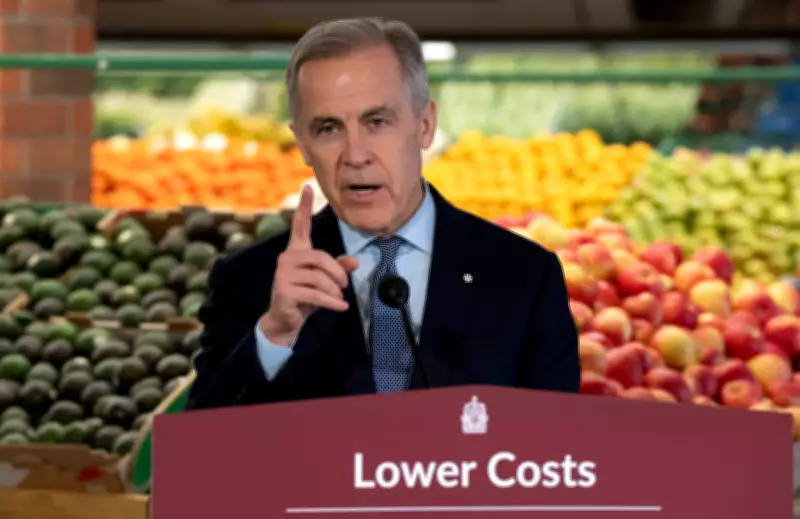
Prime Minister Carney's International Esteem Fails to Translate into Lower Grocery Bills at Home
Prime Minister Mark Carney continues to receive widespread admiration on the global stage for his economic stewardship, yet this international acclaim starkly contrasts with his ongoing struggles to alleviate soaring food costs for everyday Canadians. This persistent issue underscores a significant gap between Carney's external reputation and tangible domestic outcomes, particularly in the critical area of household affordability.
A Global Figure Confronts Local Realities
Carney, who previously served as Governor of the Bank of Canada and the Bank of England, is often hailed internationally for his expertise in monetary policy and financial stability. His leadership during past economic crises has cemented his status as a respected figure among global policymakers and financial institutions. However, this esteemed profile has not shielded his government from intense scrutiny over the relentless rise in grocery prices, which remains a top concern for Canadian families.
Recent public appearances, such as a visit to an Ottawa grocery store in late January 2026, have highlighted Carney's direct engagement with the issue. During these events, he has fielded pointed questions from media and citizens alike, emphasizing the political pressure to deliver concrete solutions. The Prime Minister has acknowledged the complexity of food inflation, citing factors like supply chain disruptions, climate impacts on agriculture, and international market volatility.

The Multifaceted Challenge of Food Affordability
Reducing food costs involves navigating a web of interconnected challenges that extend beyond simple policy fixes. Key factors include:
- Global Supply Chains: Canada's reliance on imported goods makes it vulnerable to international price shocks and logistical bottlenecks.
- Climate Change: Extreme weather events, such as droughts or floods, can devastate crop yields and livestock production, driving up prices.
- Corporate Practices: Scrutiny of grocery retailers' profit margins has fueled public debate about whether corporate greed exacerbates inflation.
- Labor Costs: Rising wages in the agricultural and transportation sectors contribute to higher end prices for consumers.
Carney's government has proposed measures like strengthening competition laws, investing in domestic food production, and providing targeted relief to low-income households. However, critics argue these steps have been insufficient to curb the pace of inflation, leaving many Canadians feeling financially strained.
Political Implications and Public Perception
The disconnect between Carney's global reputation and domestic food price struggles poses a political risk. Opposition leaders, including Conservative Pierre Poilievre, have capitalized on this vulnerability, framing it as a failure of leadership on kitchen-table issues. Despite public statements about a desire for collaboration, the political divide on economic strategy remains wide.
Public opinion polls consistently show that affordability, especially regarding groceries, is a primary concern for voters. This sentiment is echoed in protests and advocacy campaigns across the country, where citizens demand more aggressive action from the federal government. Carney's ability to bridge this gap will likely influence his political fortunes and legacy.
As the Prime Minister balances international engagements with domestic pressures, the coming months will be critical. Observers note that while global admiration can bolster a leader's stature, it is tangible improvements in daily life that ultimately define success for Canadians. The ongoing challenge of food inflation serves as a poignant reminder of this reality, testing Carney's famed economic acumen in the arena that matters most to his constituents.






