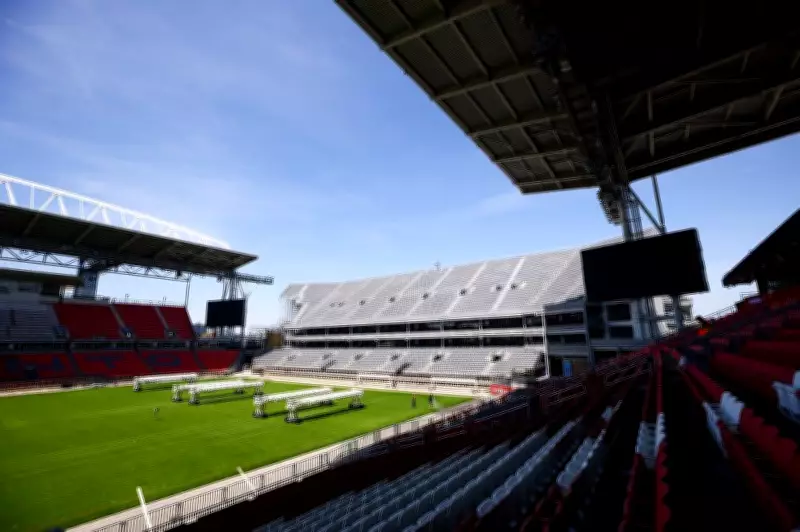
The 13 FIFA World Cup games held between Toronto and Vancouver were always going to be money losers for the taxpayers of Canada, and people are finally catching on.
For soccer fans, the games themselves, held across Canada, the United States and Mexico, will be exciting. That’s not the point.
Cost estimates kept going up
Various media outlets, including Canadian Soccer Daily, reported, “With an estimated spend of $82 million per match, hosting this summer’s FIFA World Cup will cost just over $1 billion in total for Canadian taxpayers across all levels of government.” The figure, $1.066 billion, comes from the Parliamentary Budget Office.

In 2018, Torontonians were told the cost would be $30 to $45 million. In 2023, Vancouver was still estimating $230 million. Some now say it could cost a billion just for Vancouver.
All of this was predictable and predicted by some. Now the mind-blowing cost is coming to light.
Don’t be deceived by what officials will say
So, here’s my latest prediction: You will be told after the games that they were a financial benefit to the cities and Canada. That will be done with what can generously be called creative accounting. Bluntly, they will lie, and here’s how:
They will include things like the temporary tax on hotel rooms for the previous 14 months in Toronto. But no one paid that tax to attend FIFA, as the games weren’t on. They simply got gouged on their hotel room.
They will not include crowding out. Determining the success of any financial venture requires cost and benefit analysis. On the cost side will be the transfer of dollars from other events that annually draw money to Vancouver and Toronto. That is not a net benefit.
Similarly, boosters will point to crowded bars and restaurants in downtown and near the soccer pitches. That’s fair, if a study is also done on how outlying facilities did, and whether people simply took their money away from local establishments and spent it downtown.
They will count all revenue from hotels, when hotels would be at about 80% capacity regardless. Some will say that is augmented by higher hotel prices – and taxes – during the World Cup. That isn’t enough on 20% of sales.
Lately headlines have shown hotel booking is not what was expected. Notice as well that as costs have increased, so have estimates of the expected benefit. That’s called magical accounting.
The biggest winner will be FIFA
Forbes magazine reported that it is impossible to accurately determine benefit. Forbes reports, “The core issue is structural. Host cities absorb most of the costs — including security, infrastructure upgrades and logistics — while governing bodies such as FIFA capture the most lucrative revenue streams: Ticket sales, sponsorships, broadcasting rights and merchandise sales.
“Local organizers are often barred from tapping into those revenues, even indirectly. In the case of the World Cup, cities also faced restrictions on selling premium seating tied to sponsorship deals, traditionally a key funding mechanism.”
Chicago and Montreal walked away from the opportunity to host, seeing the deal for the one-sided agreement it is. Good for them.