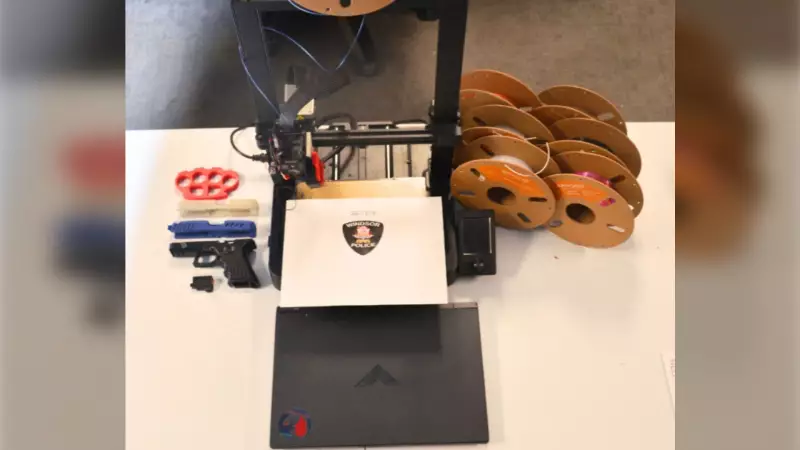
Windsor Police Investigation into 3D-Printed Firearm Results in Criminal Charges
Law enforcement authorities in Windsor, Ontario, have successfully concluded an investigation into a 3D-printed firearm, leading to formal criminal charges against an individual. This case underscores the growing concern among Canadian police agencies regarding the proliferation of homemade weapons created using advanced manufacturing technology.
Emerging Threat of Homemade Firearms
The Windsor Police Service (WPS) initiated the investigation after receiving intelligence about the potential creation and possession of a firearm manufactured through 3D printing methods. These weapons, often referred to as "ghost guns," present unique challenges for law enforcement due to their untraceable nature and the relative ease with which they can be produced using commercially available technology.
Police officials have emphasized that while 3D-printed firearms represent a relatively new phenomenon in criminal investigations, they are taking the threat seriously and developing specialized protocols to address this emerging form of weaponry. The successful conclusion of this Windsor case demonstrates law enforcement's increasing capability to investigate and prosecute offenses involving these technologically advanced weapons.

Broader Implications for Public Safety
This investigation comes at a time when police agencies across Canada are grappling with how to effectively regulate and monitor the creation of firearms through 3D printing and other digital manufacturing methods. Unlike traditional firearms, which require serial numbers and registration, 3D-printed weapons can be produced without these identifying markers, making them particularly attractive to individuals seeking to circumvent existing gun control measures.
The Windsor case highlights several critical issues:
- The accessibility of 3D printing technology to the general public
- The difficulty in detecting these weapons before they are used in criminal activities
- The need for updated legislation to address this evolving threat
- The importance of inter-agency cooperation in investigating technology-enabled crimes
Legal Framework and Enforcement Challenges
Canadian firearms laws prohibit the manufacturing of firearms without proper licensing, regardless of the production method used. However, the digital nature of 3D-printed firearms creates unique enforcement challenges. Police must not only identify physical weapons but also track digital blueprints and manufacturing equipment that could be used to create additional firearms.
The Windsor Police Service has indicated that their investigation involved specialized technical expertise to properly identify and analyze the 3D-printed firearm in question. This required collaboration between traditional investigative units and technical specialists familiar with additive manufacturing processes and digital forensics.
As technology continues to evolve, law enforcement agencies across Canada are investing in training and equipment to better address the threat posed by 3D-printed and other homemade firearms. The successful prosecution in this Windsor case represents an important step in establishing legal precedents for dealing with these technologically sophisticated weapons.
Community Impact and Ongoing Vigilance
While specific details about the individual charged and the exact nature of the charges remain protected by publication bans common in ongoing criminal proceedings, the Windsor Police Service has confirmed that the investigation has been concluded with charges laid. This outcome provides some reassurance to the Windsor community that law enforcement is actively working to address emerging threats to public safety.
Police officials encourage community members to remain vigilant and report any suspicious activities related to firearm manufacturing or possession. They emphasize that public cooperation remains essential in identifying and preventing crimes involving both traditional and technologically advanced weapons.

The Windsor case serves as a reminder that as manufacturing technology becomes more accessible, law enforcement must continuously adapt their strategies and techniques to effectively combat new forms of criminal activity. This investigation's successful conclusion demonstrates that Canadian police agencies are developing the necessary capabilities to address these evolving challenges.