Internal Vietnamese Military Document Outlines Preparations for Potential American Conflict
An internal document from the Vietnamese military has surfaced, revealing strategic preparations for a possible war with the United States. This development comes despite recent high-level diplomatic meetings aimed at fostering cooperation between the two nations. The document underscores the complex and sometimes tense nature of U.S.-Vietnam relations, which have evolved significantly since the Vietnam War ended decades ago.
Diplomatic Engagements Amidst Military Planning
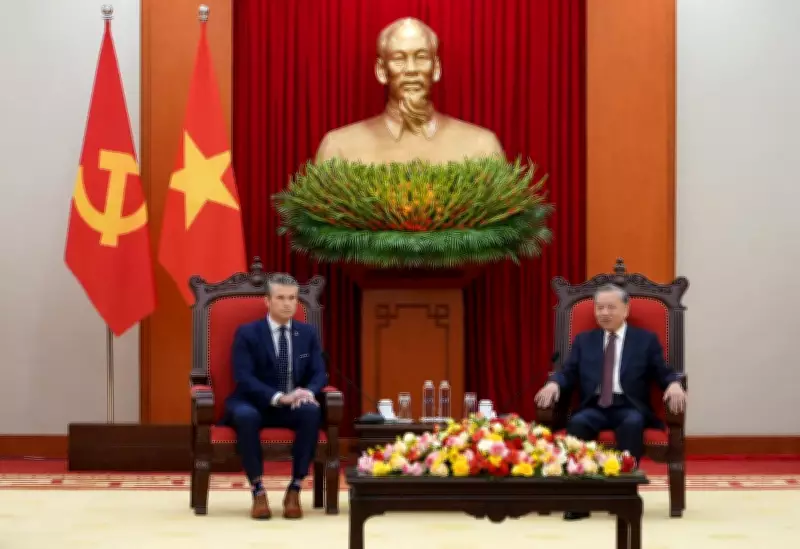
In November 2025, U.S. Defense Secretary Pete Hegseth met with General Secretary of Vietnam's Communist Party To Lam in Hanoi, as captured in an Associated Press photo. Such engagements highlight ongoing efforts to strengthen bilateral ties, particularly in areas like trade and security. However, the internal military document suggests that Vietnam is not taking any chances, actively planning for scenarios that could lead to conflict with the U.S. This juxtaposition of diplomacy and military readiness reflects the broader geopolitical dynamics in Southeast Asia, where nations often balance cooperation with preparedness for potential disputes.
Historical Context and Modern Tensions
Vietnam and the United States have a fraught history, marked by the Vietnam War, but have since worked to build a more constructive relationship. In recent years, both countries have collaborated on issues such as maritime security in the South China Sea and economic partnerships. Nevertheless, underlying tensions persist, driven by factors like U.S. military presence in the region and Vietnam's close ties with other global powers. The internal document likely addresses these tensions, outlining contingency plans that could involve mobilization, defense strategies, and resource allocation in case of an escalation with the U.S.

Implications for Regional Stability
The revelation of this document raises questions about regional stability in Southeast Asia. Vietnam's military preparations could signal a shift in its defense posture, potentially influencing neighboring countries and global powers with interests in the area. Analysts suggest that such planning might be a precautionary measure, given the unpredictable nature of international relations. However, it also highlights the need for continued dialogue and transparency between Vietnam and the U.S. to prevent misunderstandings that could lead to conflict.
Broader Geopolitical Considerations
This news comes at a time when global tensions are high, with conflicts and strategic competitions shaping international affairs. Vietnam's actions may be viewed in the context of its efforts to assert sovereignty and protect its interests amidst rising great-power rivalries. The internal document serves as a reminder that even as nations engage in diplomacy, they often prepare for worst-case scenarios. For Canada and other observers, this underscores the importance of monitoring developments in the Asia-Pacific region, where shifts in military strategies can have far-reaching consequences.
In summary, the internal Vietnamese military document reveals a cautious approach to relations with the United States, blending diplomatic outreach with robust defense planning. As the situation evolves, it will be crucial to watch how both nations navigate these complexities to maintain peace and stability in the region.