

Venezuelan President Nicolas Maduro has been indicted by United States authorities on serious charges related to cocaine trafficking and corruption, leading to his current detention in New York. The development marks a significant escalation in international legal actions against the South American leader.
The Charges and Capture
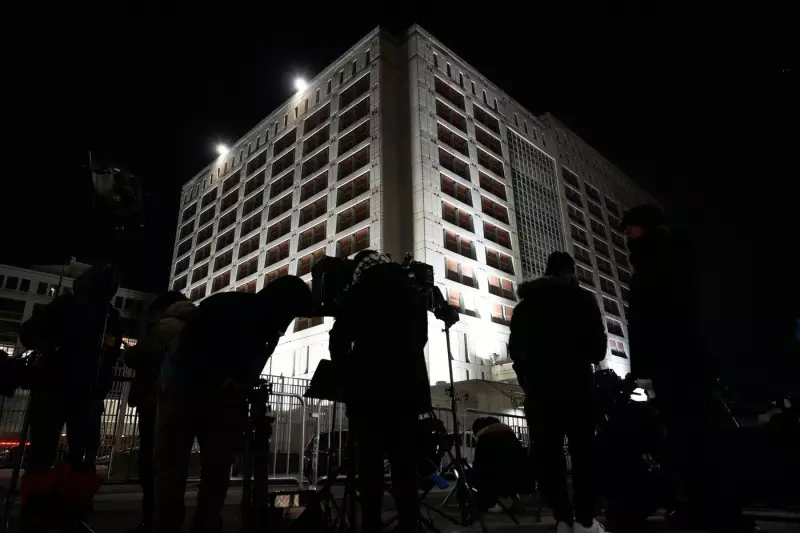
On Saturday, January 3, 2026, media gathered outside the Metropolitan Detention Center in New York where the captured Venezuelan head of state is being held. The indictment, stemming from a lengthy investigation, accuses Maduro of leveraging state power to facilitate international cocaine trafficking networks and engaging in widespread corruption that has crippled Venezuela's economy and institutions.
The Associated Press reported the scene as Maduro was processed into the federal facility. The charges are believed to be connected to a pattern of alleged criminal activity by high-ranking Venezuelan officials, with Maduro positioned at the center of the conspiracy. U.S. prosecutors have built a case alleging that the regime transformed parts of the state apparatus into tools for drug smuggling and illicit financial gain.

International and Political Repercussions
The detention of a sitting foreign president on U.S. soil is an unprecedented event with immediate geopolitical consequences. The case sends a powerful message about the reach of U.S. justice in pursuing allegations of transnational crime, even at the highest levels of government.
In related political commentary, U.S. Senator Marco Rubio stated that the United States is prepared to work with current Venezuelan leadership if they make the "right decision," suggesting potential diplomatic maneuvering in the wake of Maduro's arrest. The situation creates a volatile power vacuum in Venezuela and raises questions about the future of U.S.-Venezuela relations and regional stability.
A Pattern of Alleged Criminality
Investigators allege that the corruption and drug trafficking operations were systemic, involving military and political figures who used Venezuela's ports and financial systems to move cocaine and launder proceeds. The indictment details how these activities allegedly enriched officials while devastating the Venezuelan populace through economic collapse and violence.
The legal action against Maduro follows years of sanctions and accusations from Washington targeting his government. However, the direct indictment and physical custody represent a dramatic new phase, moving from economic pressure to criminal prosecution. Legal experts anticipate a complex and lengthy extradition and trial process, given the defendant's status and the novel legal questions involved.
The case is expected to dominate international headlines and foreign policy discussions, testing the boundaries of international law and sovereign immunity. The world now watches as the judicial proceedings against the Venezuelan president unfold in a New York courtroom.






