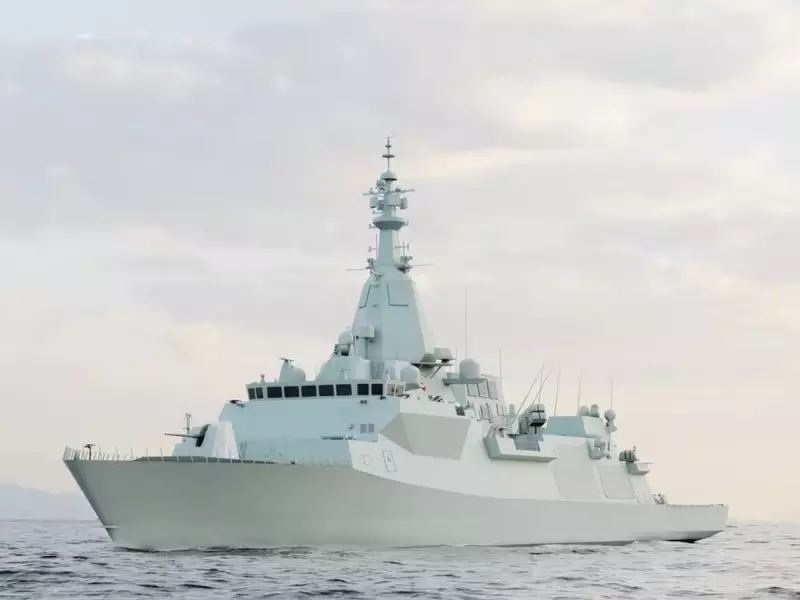
The price tag for American-made equipment destined for Canada's new fleet of warships has skyrocketed, according to new data released by the United States government. The initial order has seen its cost nearly triple, adding billions to one of the most expensive defence programs in Canadian history.
Soaring Costs for American Systems
The value of the U.S. equipment order has jumped from $1.25 billion to a staggering $3.6 billion, as revealed in a public notice. This equipment is intended for the Royal Canadian Navy's future River-class destroyers, a fleet whose total cost is projected to exceed $80 billion. The dramatic increase is attributed to Canada's decision to purchase additional American systems that were not part of the original plan.
The bulk of the new spending is categorized as non-major defence equipment. This includes crucial systems like a U.S. navigation suite and advanced American command systems. Furthermore, the expanded order now covers a new torpedo and the control systems required for U.S.-built cruise missiles that will be installed on the Canadian vessels. This procurement is specifically for the first three ships of the class.

Transparency Gap and Industry Frustration
Despite the monumental scale of the River-class project, the Department of National Defence (DND) and the Canadian government have provided few public updates. Key developments, such as this major increase in U.S. equipment, have come to light primarily through mandatory disclosures by the U.S. government to its own legislators.
This lack of transparency coincides with growing frustration within Canada's defence industry. Prime Minister Mark Carney reiterated in a June 9 speech a commitment to reduce Canada's dependence on U.S. military suppliers. However, industry representatives argue that the military has ignored this direction, continuing to favour American contractors over Canadian or European firms.
Concerns were raised as early as December 2020, when industry officials warned senior government officials, including then-deputy minister Jody Thomas, about the risks of over-reliance on U.S.-controlled technology for the warships, then known as the Canadian Surface Combatant (CSC). Those warnings were reportedly dismissed by DND at the time.
Strategic Implications and Next Steps
The massive cost escalation and sourcing decisions highlight a significant tension in Canadian defence policy. Canadian military leaders maintain extremely close ties with their U.S. counterparts and have advocated for deeper integration, even as political leadership speaks of diversification. The DND has declined to comment on the rationale behind purchasing more U.S. equipment for the new ships.
This situation places the River-class program under increased scrutiny. As costs climb and sourcing decisions attract criticism, taxpayers and policymakers are left questioning the balance between interoperability with key allies, national industrial benefits, and fiscal responsibility in Canada's largest military procurement since the Second World War.