U.S. Military Tanker Confronted by Iranian Gunboats in Strategic Strait of Hormuz
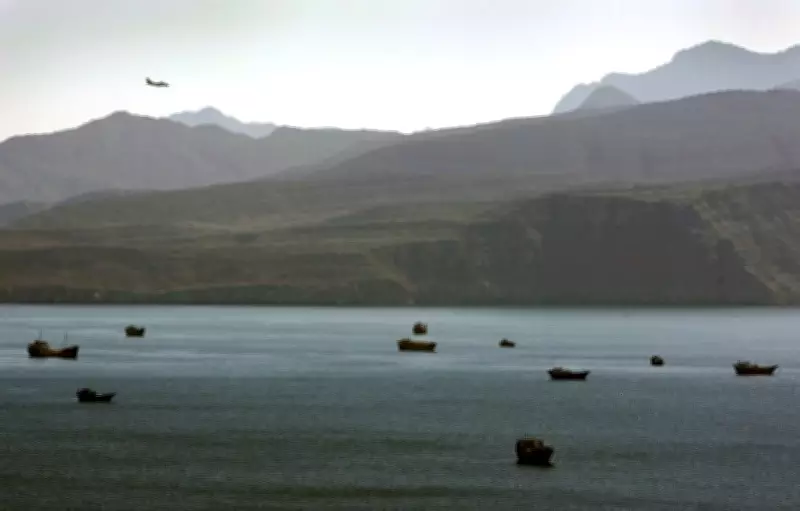
In a significant maritime incident that underscores ongoing geopolitical friction, a United States Navy fuel tanker was approached by multiple fast-attack craft belonging to Iran's Islamic Revolutionary Guard Corps (IRGC) while transiting the Strait of Hormuz. This strategic waterway, a narrow chokepoint between the Persian Gulf and the Gulf of Oman, is vital for global energy security, with approximately one-fifth of the world's oil supply passing through it daily.
Details of the Confrontation in a Critical Waterway
The encounter occurred as the U.S. military vessel, identified as a fleet replenishment oiler, was conducting routine operations. According to reports, several Iranian gunboats closed in on the tanker at a high rate of speed, maneuvering in what U.S. officials described as an "unsafe and unprofessional" manner. The IRGC naval forces reportedly came within a close distance, though no direct hostilities, such as weapon discharges or physical contact, were reported. The U.S. crew maintained a defensive posture and communicated with the Iranian vessels via bridge-to-bridge radio, urging them to stand off.
This event is not isolated; it fits a pattern of similar interactions in recent years where Iranian forces have tested or harassed commercial and military ships in the region. The Strait of Hormuz, bordered by Iran to the north and Oman to the south, is a focal point of international tension due to its economic importance and the longstanding adversarial relationship between Iran and the United States, along with its allies.

Broader Implications for Regional and Global Security
The incident raises immediate concerns about the safety of navigation and the potential for miscalculation that could escalate into a broader conflict. Maritime security experts warn that such provocations increase the risk of accidental clashes, which could disrupt oil shipments and spike global energy prices. The United States maintains a substantial naval presence in the area, including the Fifth Fleet headquartered in Bahrain, to ensure freedom of navigation and deter threats.
Iran's actions are often interpreted as demonstrations of its military capabilities and a response to perceived pressures, such as economic sanctions or diplomatic isolation. The IRGC, a powerful branch of Iran's military, frequently conducts naval exercises and patrols in the Strait, asserting Iran's sovereignty and influence over the waterway. This latest approach serves as a reminder of the volatile security environment in the Middle East, where minor incidents can quickly amplify tensions.
International observers and regional stakeholders are closely monitoring the situation, calling for restraint and adherence to established maritime protocols. The incident underscores the need for ongoing diplomatic efforts to de-escalate tensions and ensure the Strait of Hormuz remains open for safe passage, crucial for the stability of the global economy.